
A Pipeline Strainer may look like a simple metal housing, but its screen can protect pumps, valves, and meters from damaging debris. For buyers comparing Chinese manufacturers, small differences matter: mesh opening, effective screen area, pressure rating, and how quickly a clogged basket can be removed. The wrong specification can turn a compact strainer into a maintenance bottleneck.
MarketsandMarkets’ Industrial Filtration Market report estimated the global market at USD 31.9 billion in 2023 and projected USD 42.0 billion by 2028. That broader category includes many filtration products, not Pipeline Strainers alone. Still, the figures show why buyers should examine manufacturing capability, not just quoted price. Ask for material certificates, dimensional drawings, pressure-test records, and clear guidance on screen replacement. Request evidence for the exact model and service conditions.
Process-industry author and troubleshooting specialist Norman Lieberman has emphasized practical diagnosis and maintainability in his published work. A paraphrase of that engineering approach is: “Choose equipment for real operating conditions, and make inspection practical.” It is a useful test for a supplier. Does the manufacturer explain pressure drop and cleaning access, or merely send a catalog? A polished brochure helps. It is not proof. This guide introduces leading Chinese manufacturers and the checks that can help buyers compare them carefully—while recognizing that rankings depend on application, evidence, and after-sales support.
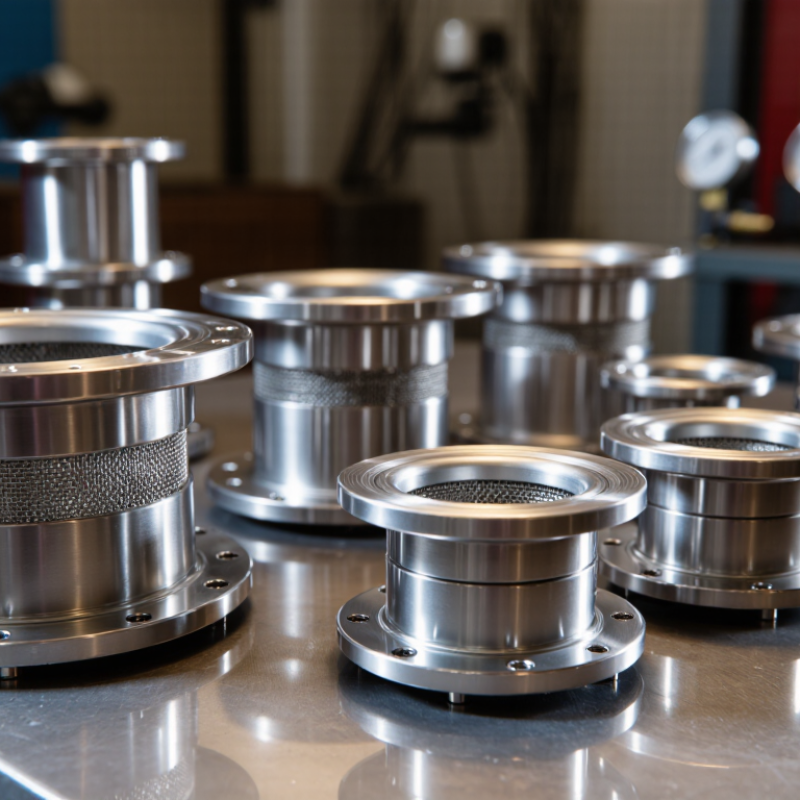
A pipeline strainer removes solid particles from flowing liquid or gas before they reach sensitive equipment. It is commonly installed upstream of pumps, control valves, and flow meters. Inside the housing, fluid passes through a perforated basket or mesh screen. Rust flakes, scale, and other debris remain trapped, while the cleaner flow continues downstream. Simple, but useful. As debris collects, pressure drop across the strainer can rise and reduce flow. A sudden change in pressure readings may signal that the screen needs inspection or cleaning. Strainers do not remove dissolved substances, and they are not a substitute for every type of filtration.
Tips: Match the screen opening to the expected debris and the system’s flow needs. A very fine screen may clog quickly. Check pressure readings and clean the basket according to operating conditions, not just a fixed calendar.
In practice, choosing a strainer can be less straightforward than it looks. Consider the fluid, operating temperature, pressure, connection size, and available maintenance space. A removable cover helps crews access the basket, but safe isolation and pressure relief matter before opening the housing. One detail is easy to overlook: a poorly sized strainer can create unnecessary pressure loss even when clean. Consult operating data and qualified engineering guidance when specifications are uncertain.
Pipeline strainers protect pumps, meters, and valves by catching debris before it travels downstream. The right type depends on pipe layout, flow rate, cleaning access, and the particles expected in the line. A strainer that looks suitable on a drawing may be awkward to service in a crowded plant room.
Y-strainers are compact and commonly installed in horizontal lines carrying water, steam, or gas. Their angled chamber holds a perforated or mesh screen, which technicians can remove for cleaning.
Basket strainers suit higher flow volumes, such as cooling-water or process lines, because their larger screens can collect more debris between cleanings.
That matters.
In practice, room to lift the basket cover is easy to overlook.
T-type strainers can fit large pipelines and some demanding industrial services, though their size and orientation need careful planning.
Duplex strainers use two chambers and a switching valve, allowing one screen to be cleaned while flow continues through the other. They are useful where stopping a process is difficult, but operators still need a clear switching and maintenance procedure.
Mesh size should match the contaminant and equipment tolerance; finer screens are not automatically better.
They can clog quickly and increase pressure loss. Not always. Check the expected debris, operating pressure, and available cleaning space before choosing a design.
A reliable pipeline strainer manufacturer should explain how its design fits your actual service conditions. Share the fluid, temperature, flow rate, operating pressure, and required screen opening. Then ask for drawings showing basket dimensions, open area, and connection details. Small details matter. A screen that is too fine may clog quickly; one that is too coarse may let damaging particles pass. Request pressure-drop data at your expected flow, not just a maximum-flow figure. I would also check whether the supplier can explain its assumptions clearly. A polished catalog is not proof.
Review material certificates, inspection records, and pressure-test procedures. Confirm that the documents match the quoted body, screen, and gasket materials. ISO 9001 certification can indicate a quality-management system, but it does not verify every product. Ask for applicable test standards, sample reports, and traceability from raw material to finished unit. The U.S. Department of Energy’s Improving Pumping System Performance sourcebook reports that pumping systems can consume 25–50% of electricity in some industrial facilities. That makes pressure loss worth checking during selection. One catch: test results from clean water may not predict performance with viscous or particle-laden fluids. Request test conditions, discuss maintenance access, and, when practical, inspect a finished strainer before approving a large order.
China’s pipeline strainer manufacturers serve water, chemical, energy, and general industrial projects. Their capabilities vary, so buyers should assess each producer’s actual equipment and quality controls. Some factories focus on standard Y-type strainers, while others handle larger basket designs or custom connections. Catalogs alone reveal little. Ask for drawings, material records, and inspection details.
A useful comparison starts with operating conditions. Check line size, pressure rating, fluid temperature, and expected debris. For example, a stainless-steel basket strainer with a removable cover may suit a process line that needs frequent cleaning. Confirm screen perforation or mesh, gasket material, and end connections in writing. Request pressure-test records and dimensional checks tied to the offered model, not a similar item.
Factory visits or live production reviews can clarify welding, machining, and assembly practices. Look for consistent welds, clean sealing surfaces, and screens that fit without rattling. Small details matter. I would also ask how replacement screens are identified and supplied. One limitation is that inspection documents can look complete while saying little about long-term service. References from comparable installations help, though they may not predict performance in every plant.
When comparing pipeline strainer suppliers in China, begin with the operating conditions, not the catalog. Specify the fluid, temperature, pressure, connection size, and required filtration level. A 40-mesh screen may suit one process and restrict another. Be precise. Ask which body and screen materials are available, and request drawings showing dimensions, screen support, and cleaning access. Confirm that the proposed design matches your stated pressure and flow requirements. A low quotation can hide differences in materials or inspection scope.
Verify the supplier’s capabilities with evidence. Request recent product photographs, material records, and pressure-test reports linked to the quoted model. Check the test method, date, and acceptance criteria; a document without these details proves little. Ask for a sample or arrange a live factory video inspection, focusing on machining, welding, assembly, and final checks. Confirm whether the factory makes the strainer or outsources key processes. It is easy to mistake a polished showroom for consistent production. Even a careful review can miss a problem, so document approved specifications, tolerances, packaging, and inspection points before ordering. Clear records make later changes easier to trace.
| Evaluation Area | What to Specify or Check | Evidence to Request | Practical Verification Step |
|---|---|---|---|
| Product type and application | Confirm whether the application requires a Y-strainer, basket strainer, duplex strainer, or another design. Define the fluid, operating temperature, pressure, flow rate, and installation orientation. | Datasheet, dimensional drawing, operating limits, and a written confirmation that the proposed design suits the stated service conditions. | Compare the supplier’s proposal with the project specification and obtain engineering approval before ordering. |
| Body and screen materials | Specify the required body, cover, gasket, and screen materials based on fluid compatibility, temperature, corrosion conditions, and applicable project requirements. | Material list and, where required, material test certificates that identify the material grade and heat or batch number. | Check that the material grades on certificates match the purchase order and product identification records. |
| Filtration opening | State the required screen opening in microns, millimetres, or mesh, and clarify whether the screen is perforated plate, wire mesh, or a combination. | Screen specification, opening-size details, construction drawing, and sample or inspection record when required. | Confirm the stated opening size and screen construction directly; do not treat mesh count and micron rating as interchangeable without conversion details. |
| Pressure rating and connections | Define design pressure, connection type, nominal size, facing, and the required flange or end-connection dimensional standard. | Product datasheet, connection drawing, and documentation identifying the dimensional standard and pressure class or rating. | Cross-check connection dimensions and rating against the approved piping specification and mating equipment. |
| Manufacturing and quality controls | Ask how the supplier controls incoming materials, machining, welding where applicable, assembly, inspection, and traceability. | Quality-management certificate if claimed, inspection and test plan, sample inspection records, and document-control procedures. | Verify certificate validity and scope with the issuing certification body, and confirm that the certified entity matches the contracting supplier. |
| Testing and inspection | Agree on the tests, inspection stages, acceptance criteria, and applicable project or industry requirements before production begins. | Approved test procedure, inspection reports, test results linked to product serial or batch numbers, and final inspection records. | Arrange witness or third-party inspection when required by the purchase contract; confirm results are traceable to the supplied units. |
| Factory and supplier verification | Establish whether the contracting party is the manufacturer, a trading company, or both, and identify the actual production location. | Business registration details, factory address, production capability information, and authorization documents where relevant. | Conduct a site visit or independent factory audit, and cross-check the legal entity, address, and production scope against supplied records. |
| Sample and production consistency | Agree on the approved sample, drawings, bill of materials, marking, and any permitted substitutions before mass production. | Approved sample record, signed drawings, bill of materials, and change-control procedure. | Compare pre-shipment inspection findings with the approved sample and confirm any design or material changes in writing. |
| Quotation and total cost | Compare price on the same basis, including configuration, materials, testing, packaging, documentation, delivery terms, and payment schedule. | Itemized quotation, delivery lead time, warranty terms, packaging details, and clearly stated trade terms. | Resolve exclusions and additional charges before placing the order; evaluate lifecycle suitability as well as purchase price. |
| Documentation and after-sales support | Confirm the required language and format for manuals, drawings, certificates, spare-parts information, and warranty support. | Document list, sample document package, warranty conditions, and named service contact or escalation process. | Make document completeness and agreed response times part of the purchase requirements and final acceptance process. |
Join our mailing list to receive the latest news and updates from our team.