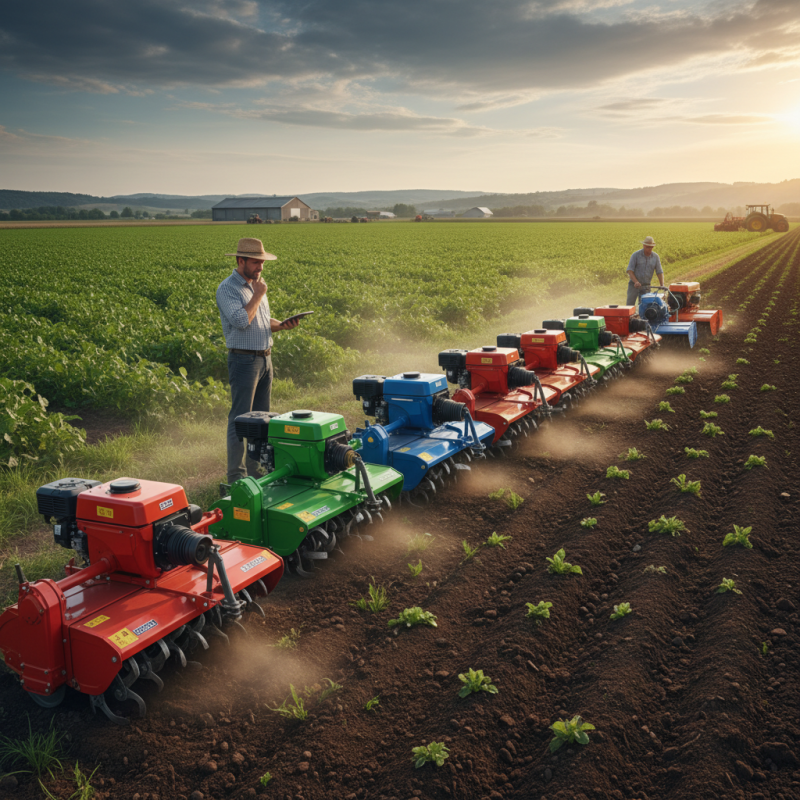
Top 10 Rotary Tillers for Efficient Farming Solutions?
In modern agriculture, efficiency is paramount. Farmers are constantly seeking tools to enhance productivity. The Rotary Tiller stands out as a vital piece of equipment. It prepares soil for planting by effectively mixing nutrients and aerating the ground. This process can significantly boost crop yields.
Choosing the right rotary tiller is essential. With so many options available, it can be overwhelming. Each model offers unique features tailored for specific needs. Factors like power, size, and tilling depth should be considered. These aspects can affect performance and operational ease.
Farmers often grapple with the question of which rotary tiller to select. Not every model suits every type of farming. Some tillers handle rocky soil better, while others excel in softer terrains. Evaluating these differences is necessary to make informed choices. Your farming success might hinge on the right equipment.
Overview of Rotary Tillers and Their Importance in Farming
Rotary tillers play a crucial role in modern agriculture. They prepare soil efficiently, ensuring optimal conditions for crops. By breaking up compacted soil, tillers improve aeration and water absorption. According to the American Society of Agricultural and Biological Engineers, proper tillage increases crop yields by 5% to 15% annually. This effectiveness highlights the importance of choosing the right tiller for specific farming needs.
Operating a rotary tiller requires understanding soil types and conditions. Different tillers excel in various environments. Heavy-duty tillers work best in compacted soils, while lighter models suit softer grounds. Farmers should consider their land’s unique characteristics. Neglecting these factors can lead to poor soil structure and inefficient crop growth.
Tip: Regular maintenance can greatly extend the lifespan of your tiller. Check the blades and replace them as necessary. This simple step can prevent costly repairs later. Remember, even the best equipment requires attention to perform effectively. Always monitor the performance and adjust your practices when needed. Making informed choices leads to better farming outcomes.
Top 10 Rotary Tillers for Efficient Farming Solutions
This chart provides an overview of the important dimensions related to rotary tillers, highlighting their horsepower, weight, working width, fuel efficiency, and average price. Efficient farming solutions can be achieved by understanding these key factors when selecting the right rotary tiller.
Factors to Consider When Choosing a Rotary Tiller
When choosing a rotary tiller, several factors come into play. One major consideration is the size of your farming area. Compact tillers work well for small gardens, while larger fields may require more powerful machines. It's crucial to match the tool's capacity with your specific needs. Also, assess the soil type on your land. Hard, rocky soil requires sturdy tillers, while softer soil can be managed with lighter models.
Power source is another vital aspect. Electric models are quieter and cleaner, while gas-powered options offer more strength. Think about how often you'll use the tiller. Frequent use may warrant investing in a more durable, high-quality machine. Additionally, ease of use matters greatly. Features like adjustable handles and simple controls can enhance your experience.
Lastly, consider maintenance requirements. Some tillers demand more care than others. If you prefer low upkeep, lightweight models may falter. Reflect on your farming methods and how a tiller fits into your routine. Each choice has pros and cons. Finding the right balance will make your tilling more efficient.
Top Features of Efficient Rotary Tillers for Modern Farming
When considering efficient rotary tillers for modern farming, several key features emerge. First, adaptability is crucial. A tiller should handle various soil types and conditions. Farmers often face diverse terrains, and an efficient tiller can adjust to rocky, sandy, or clay-heavy soils with ease. The ability to switch tilling depths enhances versatility.
Power is another essential aspect. A powerful engine allows for deeper and quicker tilling. This not only saves time but also reduces fuel consumption—an important factor for many farmers. Features such as adjustable tines can optimize performance, allowing for custom settings based on specific crops and soil conditions.
Finally, ease of use contributes significantly to efficiency. Many tillers incorporate user-friendly controls and ergonomic designs. Operating a machine shouldn’t be cumbersome. Instead, it should enhance the experience of cultivating the land. While there are various options available, not every tiller meets these criteria. This reality demands careful consideration and research before making a choice.
Comparison of the Top 10 Rotary Tillers in the Market
Rotary tillers are essential tools for effective soil preparation. They can break up compacted soil, making it easier to plant crops. With various models available, choosing the right tiller can be overwhelming. Each tiller design offers unique features, addressing different farming needs.
When comparing rotary tillers, consider the power source. Gas-powered models offer strength for tough tasks, while electric versions provide quiet operation. Also, examine the tilling width. Wider tines cover more ground, reducing the time needed for tilling. Different blade configurations can affect soil mixing and aeration, impacting crop health.
Reliability is another important factor. Farmers need equipment that withstands rigorous use. Regular maintenance can enhance longevity, but not all models are equally durable. Pay attention to user feedback. Experiences from fellow farmers can guide you in finding the best tiller for your specific conditions. Efficient farming requires thoughtful equipment choices, paving the way for successful harvests.
Maintenance Tips for Maximizing Rotary Tiller Efficiency
Regular maintenance of rotary tillers is crucial for achieving optimal performance in farming. According to the Agricultural Equipment Technical Report, 85% of tiller failures arise from inadequate care. Checking oil levels and replacing filters should be routine. Neglecting these tasks can lead to engine wear and reduced efficiency. Perform regular inspections every few months to catch potential issues early.
Sharpening blades is another key maintenance task. Dull blades increase fuel consumption by up to 25%, making operations less economical. Farmers often overlook this aspect but investing time in maintaining blade sharpness enhances cutting performance. Additionally, properly calibrating tiller depth settings can prevent soil compaction. This can be detrimental, as compacted soil leads to reduced crop yields, affecting overall productivity.
Cleaning the tiller after each use is vital. Dirt and debris can cause rust and damage undercarriage components. A study from the Agricultural Mechanics Association found that 60% of equipment failures in the field were linked to inadequate cleanliness. While it may seem tedious, ensuring your tiller is clean significantly extends its lifespan. Engaging in these practices promotes efficiency and ensures your investment yields the best results.