
What Are the Top Types of Zhongshan Anjielo Products?

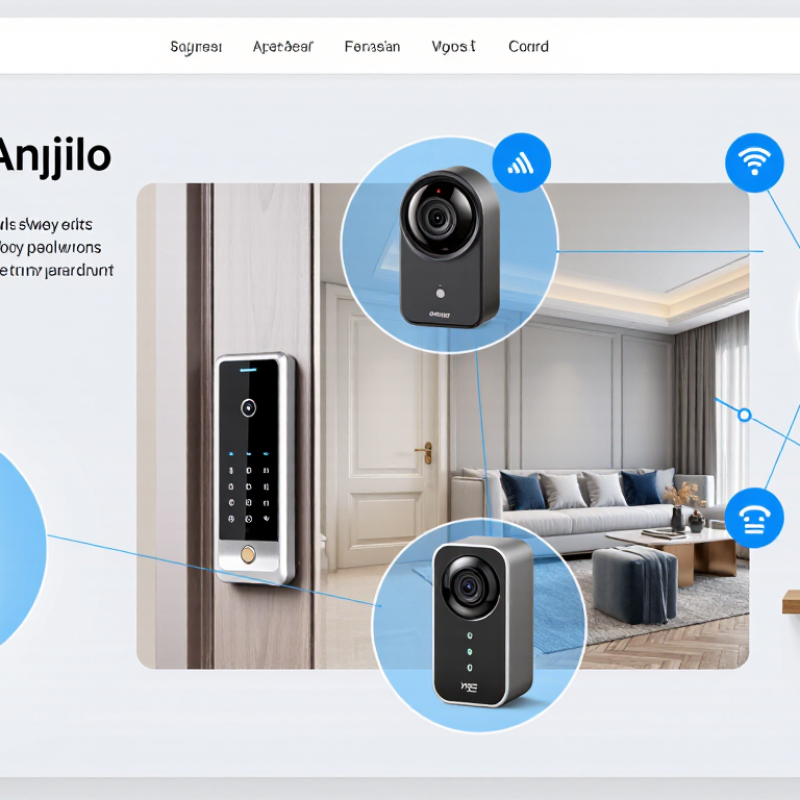
Choosing among the top types of Zhongshan Anjielo products starts with a simple question: what problem should the product solve? Buyers may compare access devices, connected security equipment, or other home-control products, but the exact range should be checked against Anjielo’s current catalog. Product names alone can be unclear. Look for practical details, such as supported unlocking methods, camera field of view, app compatibility, installation requirements, and warranty coverage.

The wider market offers useful context, not proof of any single brand’s quality. Grand View Research estimated the global smart home market at USD 147.52 billion in 2023 and projected a 22.9% compound annual growth rate from 2024 to 2030. Definitions vary. The estimate covers a broad market, so it should not be read as an Anjielo sales figure or a ranking of its products. For a reliable comparison, check technical specifications and independent testing where available, then match them to the building, network, and daily routines they must serve. A door device, for example, needs dependable access control; a camera must provide a usable view in the actual installation location. Small details matter. This guide examines the main product types associated with Zhongshan Anjielo and the features that help distinguish them, while noting where buyers should verify claims directly.
What Are the Top Types of Zhongshan Anjielo Products?

Core Product Categories Offered by Zhongshan Anjielo

Core Product Categories

Core product categories in residential lighting commonly include ceiling lights, pendant lights, chandeliers, wall lamps, and portable lamps. Ceiling fixtures provide broad, even illumination in kitchens and bedrooms. Pendant lights hang over dining tables or counters, creating a focused pool of light. Chandeliers add a stronger decorative feature, while wall lamps can brighten hallways without using floor space.

Portable options include table and floor lamps. A compact table lamp suits a bedside surface, while a floor lamp can illuminate a reading chair. Designs may vary in finish, shape, brightness, and bulb compatibility. Check the product specifications before choosing; appearance alone does not reveal light output or installation requirements. A small detail can matter.

Tips: Match the fixture to the room’s size and use. Measure ceiling height and available space before ordering. For a warm, relaxed feel, compare color temperature and dimming options. Not every fixture fits every room, and product details can be easy to overlook.

Indoor Lighting Products and Their Main Uses

Indoor lighting products serve different needs, from general visibility to focused work. Ceiling fixtures provide broad illumination in living rooms, hallways, and dining areas. Choose a size that suits the room; an oversized fixture can dominate a small space. In kitchens, recessed downlights can brighten counters without taking up visual space. Their placement matters, since shadows may fall across work surfaces if lights sit behind the user. Light matters.

Track lighting offers adjustable beams for artwork, shelves, or specific corners. It can also help in rooms with changing layouts, though too many spotlights may feel harsh. Wall lights add softer, indirect illumination beside beds or along corridors. Desk and reading lamps are useful for close tasks, especially when their angle can be adjusted. A layered setup often works better than relying on one bright ceiling lamp. Check the bulb’s color temperature and brightness before buying, and consider how easy the fixture is to clean. Product descriptions do not always show how light will feel in a real room, so the final effect may take some adjustment.

Outdoor Lighting Products for Exterior Spaces

Outdoor lighting for exterior spaces works best when each fixture has a clear job. Wall-mounted lights beside an entry can brighten keys and faces, while shielded downward beams reduce glare. For long paths, low bollards spread light across paving; place them too close and the walkway can look like a runway. Small details matter.

Landscape spotlights can pick out a tree trunk, stone wall, or textured planting bed. Narrow beams suit tall features, while wider beams wash low shrubs more evenly. Step and deck lights help reveal changes in level without flooding a patio. For exposed areas, check the fixture’s ingress protection rating and whether its materials suit rain, dust, or coastal air. Warm white light often feels comfortable near seating. Cooler light can clarify task areas, though it may seem stark after dark.

Plan around actual use, not a product photo. Mark walking routes, door swings, and sightlines where neighbors might see direct glare. Then test a few fixtures at night before setting the final layout. That step is easy to skip, and sometimes regrettable. Dimmers and separate circuits let entrances, paths, and garden accents work independently. Confirm voltage, mounting surfaces, drainage, and maintenance access with a qualified installer; even a sealed fitting can fail early if water collects around its base.

Commercial and Industrial Lighting Solutions

Commercial and industrial lighting covers several fixture types, each suited to different spaces. High-bay lights are common in warehouses and workshops with tall ceilings. Their beam spread and output should match rack height, aisle layout, and ceiling distance. Too much brightness can create glare on glossy floors or metal equipment. More light is not always better.

Linear fixtures work well over production lines, benches, and long corridors. In offices or staff areas, LED panels can provide more even illumination. Damp or dusty locations may need sealed, weather-resistant fixtures, while outdoor yards often use pole-mounted area lights. Check the fixture’s protection rating against the actual environment, not just the product label. Details matter.

A useful site review includes ceiling height, existing wiring, task areas, and maintenance access. Compare light distribution, color quality, controls, and energy use before choosing a replacement. Occupancy sensors or daylight controls may help in spaces with changing schedules, but they need suitable placement and setup. A rushed retrofit can leave dark corners, uneven color, or inconvenient maintenance points. Those flaws are easy to miss on a product sheet. The best choice is the one that fits daily work conditions, not simply the fixture with the highest listed output.

Commercial & Industrial Lighting: Typical Efficacy by Product Type

Typical luminous efficacy ranges for common lighting technologies, measured in lumens per watt (lm/W). Higher efficacy means more light output per unit of electricity.

Ranges are indicative technology-level values, not specifications for any particular product. Actual performance varies by fixture, lamp, driver or ballast, and operating conditions.

Features to Compare When Choosing Anjielo Products

Zhongshan lighting products can include ceiling fixtures, pendants, wall lights, and outdoor lamps. Compare each type against the room, not just its appearance. A ceiling fixture may suit a low hallway, while a pendant needs enough clearance above a table. Check the stated dimensions and measure the space before ordering. Small details matter. A shade that looks compact online can feel oversized in a narrow room.

Look closely at light output, color temperature, materials, and installation requirements. A warm tone can make a dining area feel comfortable, while a cooler tone may help with detailed tasks. Ask for clear specifications, including wattage, compatible bulbs, and the fixture’s rated use. For outdoor products, confirm the stated weather protection rather than relying on appearance alone. Compare finish samples if possible; screen colors can be misleading. I would also check replacement-part availability, though buyers sometimes overlook it. One imperfect but useful step: request product photos with a ruler beside the fixture. That gives a better sense of scale. Read the warranty terms and installation notes before choosing.

Top Types of LED Lighting Products: Features to Compare When Choosing

Product Type Typical Applications Typical Power Range Features to Compare Key Selection Consideration
LED Ceiling Lights Bedrooms, living rooms, hallways, and other general indoor areas About 12–60 W Brightness, fixture size, color temperature, dimming compatibility, and diffuser design Choose output and light distribution to suit room size and ceiling height.
LED Panel Lights Offices, classrooms, retail spaces, and suspended ceilings About 18–60 W Panel dimensions, luminous output, glare control, driver quality, and installation method Check that the panel dimensions and mounting style match the ceiling system.
LED Downlights Kitchens, bathrooms, corridors, and recessed residential or commercial ceilings About 4–20 W per light Cut-out diameter, beam angle, trim style, dimming, and insulation-contact rating Measure the ceiling opening and confirm clearance and suitability for the installation location.
LED Track Lights Showrooms, galleries, shops, and spaces needing adjustable accent lighting About 10–40 W per head Track compatibility, adjustable aim, beam angle, color rendering, and head output Verify the track system and select a beam angle appropriate for the objects or surfaces being lit.
LED Strip Lights Cabinet lighting, shelves, coves, display details, and indirect lighting About 4–20 W per metre Voltage, watts per metre, LED density, cut points, dimming, and IP rating Match the power supply to the strip’s voltage and total load; use a suitable rating for damp areas.
LED Floodlights Building exteriors, yards, parking areas, and security lighting About 10–200 W IP rating, beam spread, mounting options, light output, and operating temperature range For outdoor use, check weather protection and aim the beam to limit unwanted glare.
LED Wall Lights Indoor accent lighting, corridors, entrances, and outdoor walls About 3–20 W Upward or downward light direction, finish, output, mounting height, and IP rating Choose an indoor or outdoor-rated fixture according to its exposure to moisture and dust.

Specifications vary by model. Compare verified product data, including lumens, color temperature, color rendering index, energy use, warranty, and applicable safety certifications.

Subscribe To Our Newsletter

Join our mailing list to receive the latest news and updates from our team.

You have Successfully Subscribed!