
What Are the Top Types of Translucent Glass?
Translucent Glass allows daylight to pass while blurring clear views, making it useful for spaces that need both brightness and privacy. Unlike transparent glass, it scatters light rather than preserving a sharp image. The effect depends on the glass, its finish, and its thickness. Details matter.
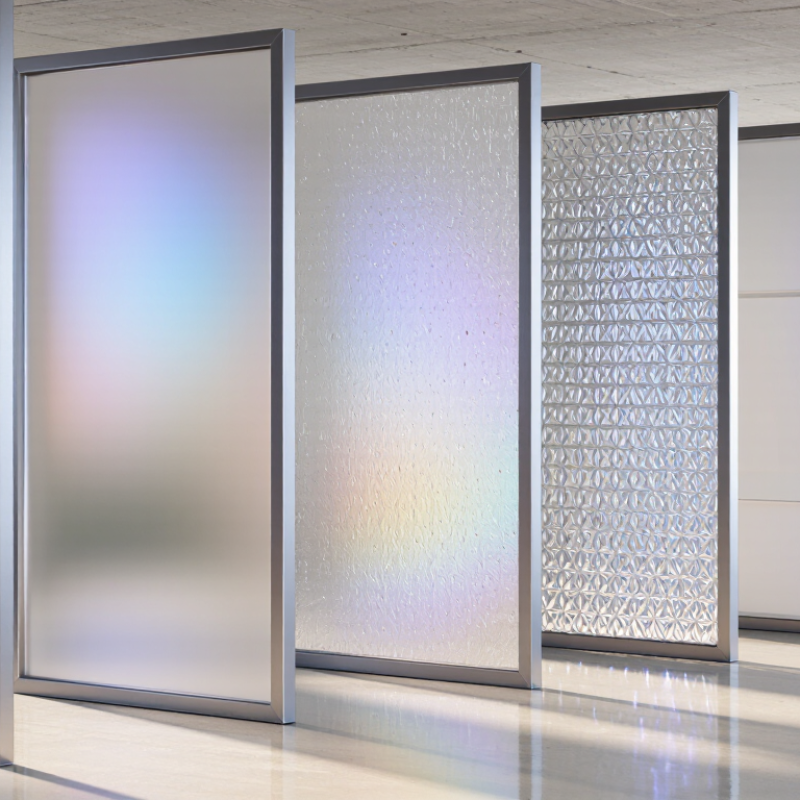
Popular options include frosted, acid-etched, sandblasted, patterned, and laminated glass with a diffusing interlayer. Frosted glass has a softly obscured surface and suits bathroom doors or office partitions. Acid-etched glass often feels smoother to the touch, while sandblasted glass creates a more textured appearance. Patterned glass adds visual detail; its privacy level varies with the design. Laminated versions can combine translucent appearance with added safety performance, depending on their construction and rating.
Choosing a type involves more than appearance. Consider how much light and privacy the room needs, how often the surface will be cleaned, and whether the glass must meet project-specific safety requirements. A sample viewed in the actual space can help; showroom lighting may mislead. Some finishes also show fingerprints or water marks more clearly than expected. There is no universal best choice. The right option depends on the setting, and product specifications should be checked before purchase.
How Translucent Glass Differs from Clear and Opaque Glass
What Are the Top Types of Translucent Glass?
How Translucent Glass Differs from Clear and Opaque Glass
Clear glass passes light while preserving a sharp view of objects on the other side. Translucent glass also lets light through, but scatters it, softening shapes and details. Opaque glass blocks most visible light, so you cannot see through it. The difference is easy to notice beside a sunny window: clear glass shows crisp edges, while translucent glass turns them into blurred silhouettes. Not quite a privacy guarantee. At night, a nearby figure may still be visible.
Common translucent options include frosted, acid-etched, sandblasted, and patterned glass. Frosted finishes scatter light across a broad surface; etched and sandblasted finishes create a matte appearance. Patterned glass uses raised or pressed textures to distort views. Some laminated glass incorporates a diffusing layer between sheets. Each type handles light and visibility differently, so samples are worth checking in the actual room.
Translucent glass suits bathroom windows, interior doors, and partitions where daylight is welcome but a direct view is distracting. Texture can also affect cleaning: deep patterns may collect dust, while smooth frosted surfaces show fingerprints. I would not assume every frosted panel offers equal privacy. Distance, lighting, and the finish all matter. A small sample held against both daylight and indoor lighting can reveal more than a product description.
What Are the Top Types of Translucent Glass? - How Translucent Glass Differs from Clear and Opaque Glass
| Glass type | How it is made | Appearance and light transmission | Typical privacy | Common uses | Compared with clear and opaque glass |
|---|---|---|---|---|---|
| Acid-etched glass | A controlled acid treatment creates a smooth, matte surface that scatters light. | Soft, even-looking finish; daylight passes through, while details behind the glass appear blurred. | Provides visual screening, but privacy depends on lighting, viewing distance, and the specific finish. | Interior doors, partitions, bathroom screens, and decorative panels. | Diffuses views more than clear glass but still admits light; unlike opaque glass, it does not fully block light. |
| Sandblasted glass | Fine abrasive particles roughen the surface, either across the whole pane or in selected patterns. | Frosted appearance with scattered light; etched designs can leave clear areas for contrast. | Usually obscures detail where treated; untreated sections remain transparent. | Decorative partitions, doors, signage, and privacy glazing. | More light-diffusing than clear glass. The treated surface remains light-transmitting rather than fully opaque. |
| Patterned or figured glass | A pattern is impressed into the glass during rolling or forming. | Texture bends and scatters transmitted light; the amount of distortion varies with the pattern and viewing angle. | Ranges from modest screening to substantial distortion; it is not automatically private from every angle. | Windows, cabinet doors, shower enclosures, and interior partitions. | Less visually clear than plain glass while allowing light through; generally does not block light like opaque glass. |
| Ceramic-frit glass | Ceramic-based enamel is applied in a pattern or coating and fused to the glass during heat treatment. | Printed areas scatter or reduce light; clear openings in a design can continue to transmit direct views and daylight. | Depends on the coverage and pattern; a dense coating can provide stronger screening than a sparse pattern. | Building façades, spandrel areas, sun-control glazing, and decorative glass. | Can range from partly light-transmitting to nearly light-blocking in coated areas; clear portions remain see-through. |
| Opal or opalescent glass | The glass composition or dispersed particles within it scatter light throughout the material. | Milky, softly glowing appearance; light transmission varies by product, thickness, and composition. | Typically obscures objects more than lightly textured glass, though the level of screening varies. | Light fixtures, decorative panels, and privacy glazing. | Scatters light and hides detail, unlike clear glass; some light still passes through, unlike fully opaque glass. |
| Translucent laminated glass | Two or more glass sheets are bonded with an interlayer chosen to diffuse light or obscure views. | Can have a diffused, colored, or patterned appearance; performance depends on the interlayer and glass construction. | Varies with interlayer design. Laminated construction also holds glass fragments together if the glass breaks. | Partitions, doors, overhead glazing, and architectural panels where laminated construction is specified. | A diffusing interlayer reduces clear views while allowing some light through; an opaque interlayer blocks views and most or all transmitted light. |
| Glass block | Hollow or solid glass units are formed with textured faces and assembled into a wall or screen. | Transmits and diffuses daylight; the block pattern distorts views through the assembly. | Generally provides strong visual screening, although privacy depends on the block pattern and installation. | Interior feature walls, partition screens, and selected exterior openings. | Allows diffused light but not a clear image through the wall; unlike opaque masonry, it can brighten spaces with daylight. |
How the categories differ: Clear glass transmits light with a relatively undistorted view. Translucent glass transmits light but scatters it, blurring images. Opaque glass blocks direct visual transmission and may block most or all light. Actual light transmission and privacy depend on the product, thickness, pattern, lighting, and installation.