What Is a Tablet Counter and How Does It Work?
A Tablet Counter is more than a fast machine beside a packaging line. It is a controlled system that separates, counts, verifies, and delivers tablets into containers. Its work looks simple. It is not.
James Agalloco, a respected pharmaceutical manufacturing and validation consultant, has stated, “Good equipment supports a good process, but it cannot replace one.” This principle explains why Tablet Counter performance depends on more than counting speed. Operators must understand tablet shape, coating, weight, hardness, and static behavior. A small, round tablet may flow smoothly. A scored or fragile tablet may bridge inside the hopper. That difference matters.
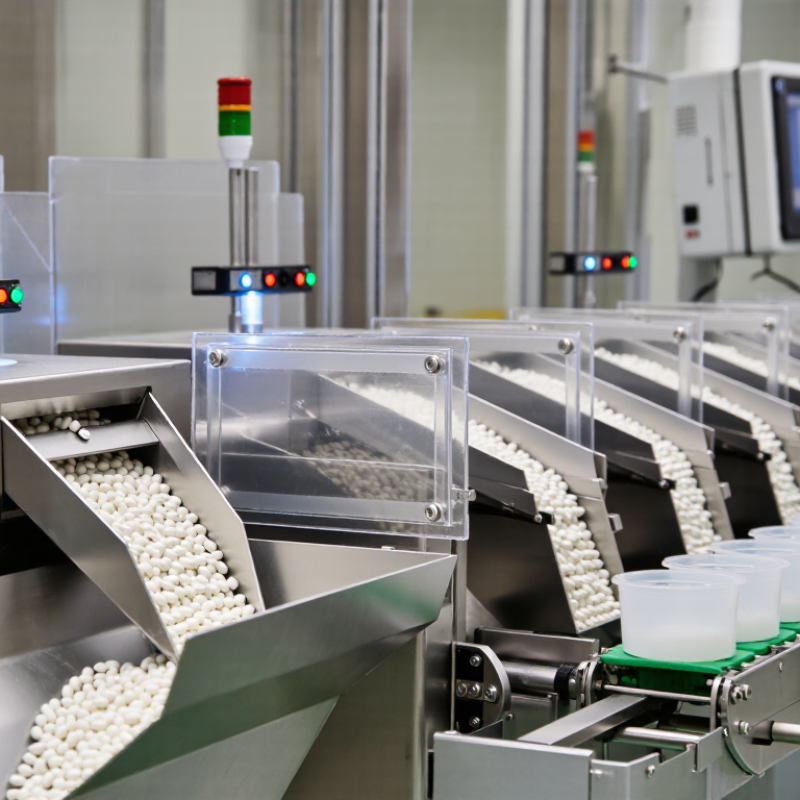
Most Tablet Counter systems use a product hopper, vibration channels, counting sensors, and a discharge mechanism. Tablets move through controlled lanes. Optical or electronic sensors detect each passing unit. The system then compares the measured quantity with the programmed target. If the count is incorrect, a reject mechanism may divert the container.
Accuracy comes from calibration, stable product flow, and careful cleaning. Dust can cloud sensors. Vibration can change tablet movement. Human setup errors can also cause false confidence. This is where many explanations become too neat.
Real production is less perfect.
A reliable introduction should therefore examine both technology and operation. It should ask practical questions: How does the machine handle different tablet sizes? What happens during a jam? How are rejects recorded? How often is the equipment checked? These details connect the Tablet Counter to quality assurance, traceability, and consistent packaging performance.
What Is a Tablet Counter?
A tablet counter is a machine that counts solid tablets quickly and consistently.
It is commonly used in pharmacies, hospitals, and regulated manufacturing areas. The equipment may be compact enough for a workbench or large enough for continuous production.
Simple idea. Accurate control matters.
Most tablet counters use a hopper, vibration system, counting channel, and optical sensors.
The hopper holds a bulk supply of tablets. Vibration moves them into separate paths. Sensors detect each tablet as it passes through the counting area.
The control panel shows the quantity and can stop the flow at a preset number. Some systems also connect with filling or packaging equipment.
When an operator starts a batch, the tablets should be clean, dry, and reasonably uniform. Uneven shapes can touch, overlap, or pass together. Dust and static may also affect sensor readings.
These issues are easy to underestimate. A trained operator checks the machine before use and confirms its count with a manual sample.
Written procedures, routine cleaning, calibration checks, and batch records support reliable results.
No counter is perfect. A hurried setup can create errors, even when the screen appears correct.
For this reason, visual inspection and periodic verification remain important parts of tablet counting.
What Are the Main Types of Tablet Counters?
A tablet counter sorts and counts solid tablets before they are packed into containers. Its design affects speed, accuracy, cleaning, and operator workload. In practice, the main types are manual, semi-automatic, and fully automatic counters.
Manual counters use a grooved tray, rotating plate, or hand-operated mechanism. An operator guides tablets into separate spaces and checks the quantity visually. They suit small batches, training, and occasional production. They are affordable and easy to maintain. However, counting errors can occur when tablets overlap, vary in shape, or move too quickly. Simple, but useful.
Semi-automatic counters combine a vibrating feed system with electronic sensors. The operator loads tablets, sets the target quantity, and starts the cycle. Sensors detect each passing tablet and stop the flow at the selected count. This type improves consistency while keeping the equipment relatively compact. It works well for pharmacies, laboratories, and smaller packaging rooms. Still, dusty tablets may affect sensor readings, so routine cleaning matters.
Fully automatic counters connect feeding, counting, filling, and container handling in one production line. Multiple channels can count thousands of tablets per minute. These systems usually include speed controls, fault alarms, and verification checks. They require more space, technical training, and regular calibration. Weight-based counters offer another option, but they depend on consistent tablet weight. No system is flawless. A practical operator still checks samples, records discrepancies, and reviews unusual results instead of trusting the display blindly.
How Does a Tablet Counter Work Step by Step?
A tablet counter is a machine that counts solid tablets accurately before packaging. It reduces manual counting errors and supports consistent production records. Most systems use a hopper, vibrating channels, optical sensors, and a collection container.
The process begins when an operator fills the hopper with clean, approved tablets. Gentle vibration moves them into separate channels. The tablets pass through a sensing area one by one. An optical sensor detects each tablet and sends an electronic signal to the control unit. The software adds every signal to the target quantity. When the correct count is reached, a gate closes or redirects the tablets into the container. A second sensor may confirm the transfer. If tablets overlap, break, or move too quickly, the reading can become inaccurate. That is why trained staff inspect the count and adjust the machine when needed. Small errors matter.
Tips: Keep the hopper dry and free from powder buildup. Match the channel settings to tablet size and shape. Check the count with a verified manual sample before routine operation. Watch the first few containers closely. This simple step often reveals vibration problems, sensor dust, or uneven tablet flow. Cleaning and calibration should follow documented procedures and qualified guidance. No counter is perfect. Even advanced equipment needs human review.
What Components Make Up a Tablet Counter?
A tablet counter is built around a controlled path from bulk tablets to sealed containers. The hopper stores tablets temporarily. A vibratory feeder then separates them into a steady stream. This matters because crowded tablets can overlap and create counting errors.
The counting zone usually contains photoelectric sensors or vision cameras. Sensors detect each tablet as it crosses a narrow channel. Cameras can also check shape, color, and broken pieces. A programmable logic controller processes these signals and stops the feed at the selected quantity. The human-machine interface displays count, speed, alarms, and batch settings. It is the small screen operators trust, sometimes too much.
Other components complete the system. Bottle indexing gates position containers beneath the discharge chute. A reject station removes underfilled or overfilled bottles. Dust extraction helps keep sensors and contact surfaces clean. Guards protect operators from moving parts. Stainless steel contact areas support cleaning and reduce contamination risks.
WHO Technical Report Series No. 986, Annex 2, emphasizes suitable, cleanable, and maintained production equipment. That guidance directly affects hopper design and sensor access. Grand View Research valued the global pharmaceutical packaging market at about 131.5 billion dollars in 2023, showing why reliable counting equipment matters at scale. Still, a high-speed counter is not automatically accurate. Vibration, tablet shape, static, and dust can interfere with detection. Calibration checks remain necessary, and operators should challenge the machine with real product conditions. That practical step is easy to skip. It should not be.
What Is a Tablet Counter and How Does It Work?
A tablet counter separates, detects, counts, and releases tablets into containers. Typical throughput varies by machine configuration: manual counters generally handle smaller batches, semi-automatic systems increase feeding speed, and automatic counters can process several hundred bottles per minute. The main components include a product hopper, vibratory feeder, counting sensors, control unit, bottle indexing system, discharge chute, and reject or verification mechanism.
Where Are Tablet Counters Commonly Used?
What Is a Tablet Counter and How Does It Work?
Where Are Tablet Counters Commonly Used?
Tablet counters are commonly used in pharmacies, pharmaceutical factories, hospital pharmacies, and regulated supplement facilities. They help staff count solid doses before filling bottles, blister packs, or unit-dose trays. A typical system uses vibration, guided channels, and optical sensors. Tablets move through separate paths, while sensors record each passing unit. The machine then stops at the programmed quantity.
Pharmaceutical packaging lines use tablet counters when production requires speed and repeatable accuracy. Pharmacies use smaller systems for prescription preparation and stock control. Hospital pharmacies may use them when preparing large batches of unit doses. The World Health Organization’s Medication Without Harm report estimates that medication errors cost about US$42 billion globally each year. Accurate counting cannot prevent every error, but it can reduce one avoidable risk.
Nutraceutical facilities also use tablet counters for lawful, clearly labeled products. Veterinary pharmacies may use them for animal medicines. In practice, operators still check tablet size, shape, dust levels, and sensor calibration. A counter is not infallible. Broken tablets can confuse sensors. Static electricity can affect movement. Human verification remains necessary, although it is sometimes rushed during busy shifts. That weakness deserves more attention.