
Why Do Belt Conveyor Rollers Fail?

A belt conveyor roller may look simple: a steel shell, sealed bearings, and a rotating shaft beneath a moving belt. Yet when one roller binds, runs hot, or loses its seal, friction can damage the belt and disrupt material flow. The failure is often gradual. A faint rumble, a warm bearing housing, or a narrow strip of belt wear may be the first clue.

Industry sources help frame the risk, but they do not provide a universal roller-failure rate. The U.S. Mine Safety and Health Administration’s Mine Injury and Worktime data document hazards associated with mining operations, while CEMA’s Belt Conveyors for Bulk Materials explains conveyor design and operating factors. Neither should be mistaken for a global database of roller failures. That distinction matters. Site conditions differ sharply.

In practice, dust, moisture, impact loading, misalignment, poor sealing, and inconsistent lubrication can all shorten service life. A roller that turns freely in a workshop may struggle under a loaded belt, abrasive fines, and repeated washdowns. Small differences matter. So does maintenance history. This article examines why belt conveyor roller failures occur, how to recognize early warning signs, and which inspection details can prevent avoidable downtime. Field diagnosis is rarely neat; one symptom can have several causes, and replacing a roller without checking alignment or loading may only postpone the next failure.
Why Do Belt Conveyor Rollers Fail?

How Belt Conveyor Rollers Support Material Movement

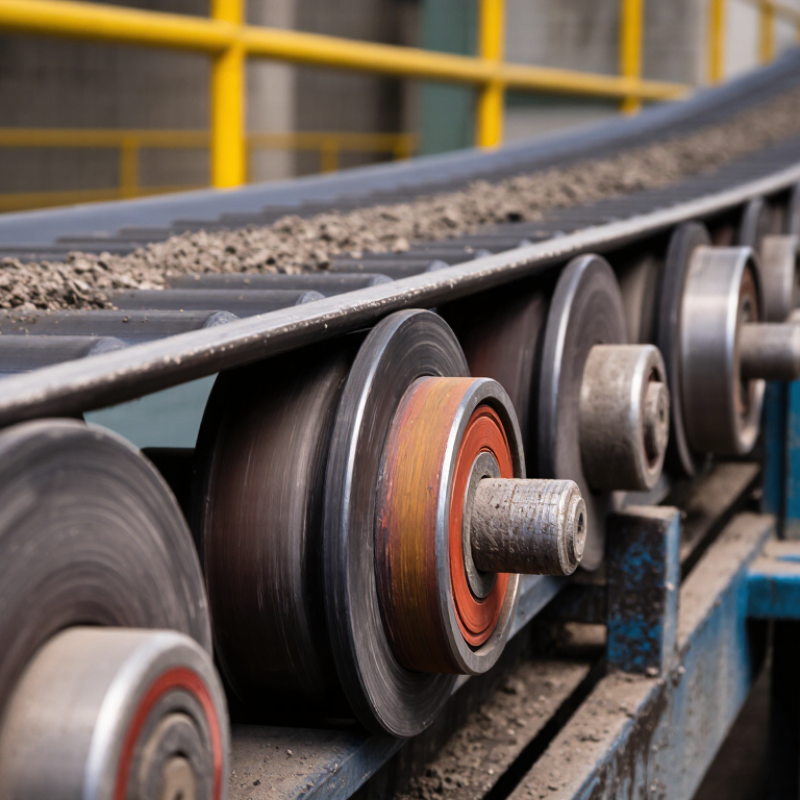
On a belt conveyor, rollers do more than carry the belt. They create a moving support surface that keeps material traveling along a planned route. As each roller turns, it reduces sliding resistance and helps limit belt wear. Beneath a loaded section, idlers support the belt and reduce sag. At transfer points, impact rollers absorb some force from falling material. Poor spacing or misalignment can make the belt wander, spill material, or place uneven loads on individual rollers. Small details matter.

Rollers also help keep material movement steady. A seized bearing can increase drag, while packed fines may stop a roller from turning freely. Listen closely. Squealing, wobbling, unusual heat, or visible buildup can signal trouble, though one symptom alone does not prove a roller has failed. It is easy to blame the roller too quickly; belt tension, alignment, and loading patterns may also contribute. Regular checks during planned shutdowns can reveal wear before it disrupts material flow. Inspectors should follow site procedures and avoid contact with moving equipment. The ideal roller arrangement depends on belt speed, material weight, and transfer-point impact, so general spacing advice needs to be checked against actual operating conditions.

Common Failure Modes in Conveyor Rollers

Belt conveyor rollers rarely fail without warning. Common failure modes include bearing wear, seal damage, shell corrosion, and material buildup. A damaged seal can let water and fine dust reach the bearing, where friction gradually increases. Listen for a rough, uneven rumble. Heat leaves clues. A roller that feels noticeably warmer than its neighbors may have a failing bearing, though load and nearby equipment can also affect temperature.

Misalignment and impact damage create different problems. A roller installed out of square may cause belt tracking issues and wear unevenly along its shell. Heavy loading at transfer points can dent the shell or loosen its connection to the shaft. Inspect for flattened spots, wobble, and belt contact marks.

Dirt packed around the ends can hide early damage. It is easy to miss. Cleaning and rotating checks can reveal changes, but observations should be compared under similar operating conditions.

Noise alone is not a diagnosis; record where it occurs, how the roller turns, and whether the belt is carrying its usual load. A practical inspection may still leave questions, especially when damage is inside the bearing.

Operating and Environmental Factors That Cause Roller Failure

Why Do Belt Conveyor Rollers Fail?

Operating and Environmental Factors That Cause Roller Failure

A roller rarely fails for one reason alone. Excessive belt tension, uneven loading, or a misaligned frame can increase pressure on one side of the roller. Over time, bearings may wear faster, and the roller can begin to wobble or seize. A small change in sound can matter. A dry squeal or rough clicking often deserves inspection before the belt stops. Impact loading is another common stress: large rocks dropping onto the belt can dent shells or damage bearing seals. The damage is not always obvious at first.

Environmental conditions add another layer. Fine dust can work past worn seals and mix with lubricant, creating an abrasive paste inside the bearing. Water can wash lubricant away or encourage corrosion, especially around exposed shafts and housings. Heat may thin grease, while cold can make it less able to flow. These effects vary with the roller design and duty cycle. In practice, the pattern is not always neat. A roller may look sound from the walkway but feel rough when turned by hand during a safe shutdown. Recording where failures occur, along with load, weather, and cleaning conditions, can help teams find repeated causes rather than replacing rollers one by one.

How to Identify the Source of Roller Problems

Why Do Belt Conveyor Rollers Fail?

How to Identify the Source of Roller Problems

Start with the symptom, not the suspected cause. A rhythmic knock may point to a damaged bearing, while a hot roller can suggest excess friction or poor lubrication. Dust packed around a seal, a roller that wobbles, or a belt drifting to one side adds useful evidence. Listen from a safe position. Record the pattern.

Compare the suspect roller with nearby rollers under similar load and speed. Note its surface temperature, noise, vibration, and rotation; check whether the belt is rubbing the frame. A single temperature reading can mislead, so look for a repeated difference or a rising trend. Also inspect seals for grit, moisture, and grease leakage. These clues help separate contamination from misalignment or impact damage.

ISO 15243:2017 groups rolling-bearing damage into six categories, including fatigue, wear, corrosion, electrical erosion, plastic deformation, and fracture or cracking. That framework can help maintenance teams connect roller symptoms to bearing evidence, rather than replacing parts by guesswork. A tidy diagnosis is tempting, but field conditions rarely cooperate. Check the loading and tracking before blaming the roller alone. Record findings by conveyor location and operating condition; recurring failures in one zone may signal a system-level problem.

Inspection and Maintenance Practices That Reduce Roller Failure

A roller rarely fails without warning. During scheduled inspections, check for uneven rotation, a rough bearing sound, unusual heat, and visible damage to the shell or seals. Compare neighboring rollers; one that spins slowly or sits out of line may point to a developing problem. Listen carefully.

Inspect only when the conveyor is safely stopped and secured. Clear dust and material buildup around the roller ends, since packed fines can damage seals and restrict movement. Look for belt mistracking, excessive vibration, and fresh wear marks on the frame. These clues can reveal alignment or loading issues, not just a faulty roller. Avoid applying lubricant to sealed bearings unless the equipment instructions specify it.

Record the location, symptoms, and inspection date, then compare notes over time. Replace rollers with cracked shells, seized bearings, or persistent rough rotation rather than waiting for belt damage. Check the replacement spins freely and sits squarely in its supports. Maintenance is not perfect; brief checks can miss an intermittent fault. That is a reason to inspect consistently, not to assume every quiet roller is healthy.

Why Do Belt Conveyor Rollers Fail?

How load, inspection, and maintenance relate to bearing fatigue life

What this shows: For a ball bearing, ISO 281 basic rating life varies approximately with the inverse cube of the bearing load. The chart compares calculated life at different loads with life at the reference load; it is not a field failure-rate chart. Regular inspections for seized or noisy rollers, poor alignment, contamination, and uneven loading can help identify conditions that contribute to premature failure.

Subscribe To Our Newsletter

Join our mailing list to receive the latest news and updates from our team.

You have Successfully Subscribed!