Choosing a dependable supplier requires more than comparing catalogue prices. The 2026 market for butterfly valves UK suppliers includes manufacturers, stockists, and engineering distributors with very different capabilities. Some keep standard wafer valves ready for dispatch. Others build resilient-seated or high-performance units for water, energy, chemical, and process applications. The difference appears in details: material certificates, pressure ratings, actuator testing, and delivery records.
Valve engineering specialist David Bell observes, “A butterfly valve is only as reliable as its seat, shaft, and service data.” This practical view shapes our assessment. We examine supplier experience, manufacturing controls, traceability, technical support, and export readiness. We also consider whether a supplier can recommend the correct EPDM, NBR, PTFE, or metal-seated configuration. One small mismatch can cause leakage, downtime, or premature replacement.
Global buyers need evidence, not impressive promises. Look for ISO-certified systems, clear datasheets, inspection reports, and responsive engineers. Check connection standards carefully. A DN150 valve with the wrong flange drilling can delay an entire shipment. It happens.
This guide reviews leading butterfly valves UK suppliers serving international customers in 2026. It considers product range, customization, certifications, lead times, packaging, and after-sales support. No supplier is perfect. Even established companies may struggle during demand spikes or unusual material shortages. That limitation deserves attention. A reliable choice balances price with documented performance, practical communication, and long-term service value.
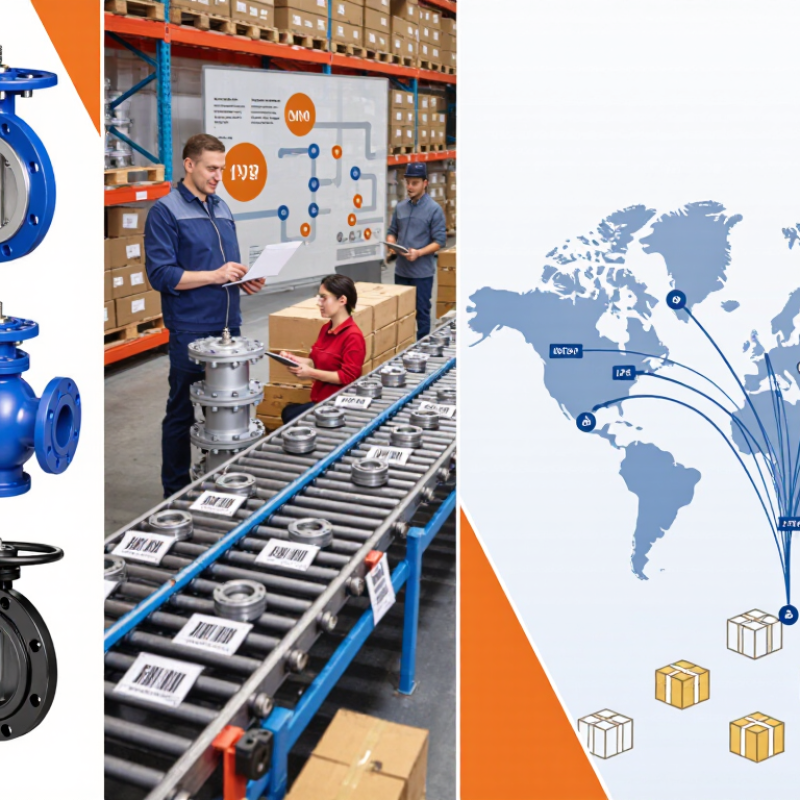
2026 Top Butterfly Valves UK Suppliers for Global Buyers
Butterfly Valve Fundamentals: 90° Operation, DN50–DN1200, and Main Uses
A butterfly valve controls flow with a circular disc mounted on a rotating shaft. The disc usually turns through 90 degrees, moving between fully open and fully closed positions. This compact design suits pipelines where space and weight matter. Manual handles work well on smaller sizes, while gearboxes or actuators support larger valves.
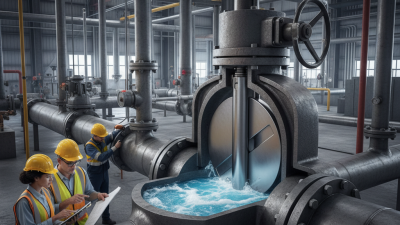
DN50 to DN1200 covers many industrial and municipal applications. DN50 valves often serve building services, chilled water, and irrigation branches. Larger DN300–DN1200 units commonly appear in water treatment, wastewater networks, cooling systems, and bulk transfer lines. I have seen installation errors begin with flange alignment, not valve quality. Even a small offset can increase disc friction and damage the seat.
Selection requires more than matching pipe diameter. Check pressure rating, temperature, fluid composition, flange drilling, seat material, and operating frequency. Concentric designs suit many water duties. Double-eccentric versions can reduce seat wear in demanding systems. Abrasive media may need stronger materials and careful throttling control. A butterfly valve is not automatically ideal for every regulating duty. Partial opening can create turbulence, noise, and uneven wear. Actuator torque also needs verification at the worst operating condition, especially after long shutdowns. Small details matter.
Technical selection reference for international procurement, system design and supplier comparison
| Specification Dimension | Verified Technical Data | Selection or Application Notes |
|---|---|---|
| Valve operating principle | A circular disc rotates around a shaft to control flow through the valve body. | The disc is generally fully open at approximately 90° from the closed position and aligned with the pipeline when open. |
| Nominal diameter range | DN50 to DN1200, equivalent to approximately NPS 2 to NPS 48. | Confirm the exact available size range, face-to-face length and flange drilling before placing an order. |
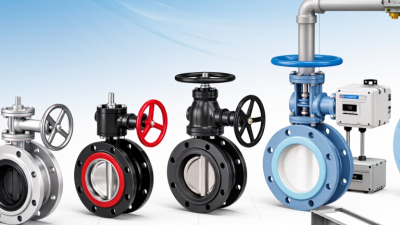
| Typical valve types | Wafer, lug, double-flanged and concentric resilient-seated designs. | Wafer and lug patterns are space-efficient; double-flanged designs are commonly selected for larger lines or systems requiring easier removal. |
| Primary function | Isolation, shut-off, throttling and flow regulation, subject to the valve design and service conditions. | Use the valve for throttling only when the manufacturer confirms suitable control performance and allowable velocity. |
| Common pressure ratings | PN6, PN10, PN16, PN25 and selected ASME Class 150 configurations are common market options. | The pressure rating depends on size, body construction, seat material, temperature and applicable design standard. |
| Body materials | Ductile iron, cast iron, carbon steel and stainless steel are widely used options. | Select the body material according to pressure, temperature, corrosion exposure, fluid chemistry and installation environment. |
| Disc materials | Ductile iron, stainless steel, aluminium bronze and coated metal discs are commonly specified. | Disc selection is especially important for seawater, abrasive media, aggressive chemicals and oxygen-related services. |
| Seat materials | EPDM, NBR, FKM and PTFE are frequently used, depending on the medium and temperature. | EPDM is widely used for water applications; NBR suits many oil-containing services; verify chemical compatibility before selection. |
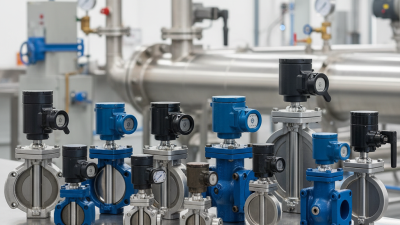
| Actuation options | Manual lever, handwheel gearbox, electric actuator and pneumatic actuator. | Manual levers are common on smaller valves; gearboxes and powered actuators are normally used for larger sizes or remote operation. |
| Typical operating movement | Quarter-turn operation, normally requiring approximately 90° rotation from fully closed to fully open. | Check actuator torque, safety factor, operating time and fail position for automated installations. |
| Connection standards | EN 1092-1, EN 558, ISO 5752, ASME B16.5 and ASME B16.47 may apply according to the selected configuration. | Match flange dimensions, face-to-face requirements, pressure class and pipeline standard across the complete system. |
| Testing and conformity | EN 12266-1 is commonly referenced for pressure testing of industrial valves; UKCA or CE requirements may apply depending on the market and product category. | Request test certificates, material certificates, declaration of conformity and traceability documents where required by the project. |
| Water and wastewater | Commonly used for potable-water networks, raw-water lines, treatment plants, pumping stations and sewage systems. | Confirm drinking-water approval, bio-compatibility, seat compound and resistance to solids or suspended particles where applicable. |
| HVAC and building services | Used in chilled-water, heating-water, condenser-water and air-handling systems. | Consider leakage class, insulation clearance, actuator control signal and the temperature range of the system fluid. |
| Marine and seawater service | Suitable configurations may be used for seawater intake, cooling circuits, ballast systems and general marine piping. | Specify corrosion-resistant disc, shaft and fasteners, and verify the seat and coating system for chloride exposure. |
| Industrial process service | Used for compatible liquids, gases, powders and selected slurry applications. | Review pressure drop, erosion, abrasion, leakage requirements, temperature and chemical compatibility before approval. |
| Energy and utilities | Common applications include cooling-water networks, compressed-air systems, district energy and utility isolation lines. | For steam, high-temperature oil or critical gas service, use a design specifically rated for the medium rather than relying on a general-purpose water valve. |
| Key buyer checks for UK and global sourcing | Size, pressure class, connection standard, materials, seat compound, actuator, testing, certification, delivery and spare-parts support. | Provide the supplier with medium, temperature, pressure, flow direction, installation position, operating frequency and applicable project standards. |
For global buyers, UK butterfly valve suppliers should demonstrate more than catalogue capacity. EN 593 provides the core framework for industrial butterfly valve design, materials, pressure ratings, and testing. Ask for test records, not only a compliance statement. A practical inspection may check flange alignment, disc movement, seat damage, and coating thickness.
ISO 5211 defines actuator mounting interfaces and helps prevent costly installation problems. API 609 adds widely recognised requirements for butterfly valve design, dimensions, and performance. These standards overlap, but they are not interchangeable. A valve meeting ISO 5211 alone is not automatically API 609 compliant. That distinction is easy to miss.
CE and UKCA address conformity obligations, not valve quality by themselves. The correct marking route depends on the product category, pressure level, destination, and current UK regulations. Suppliers should provide technical files, declarations, traceability records, and evidence from competent conformity assessment bodies where required. Grand View Research estimated the global industrial valves market at approximately USD 78 billion in 2023, with continued growth through 2030. That growth increases supplier choice, but it can also increase documentation risk. Buyers should verify certificates directly and compare them with the valve’s serial number. Paperwork can still be incomplete. That deserves a second check.
2026 Top Butterfly Valves UK Suppliers for Global Buyers
A practical 2026 supplier ranking should examine more than price. OEMs usually rank highly for engineering control, custom dimensions, and repeat production. Stockists often lead when buyers need standard wafer or lug valves quickly. Export-ready suppliers deserve stronger scores when they provide accurate packing lists, certificates, and stable shipping coordination.
Lead time should be measured from purchase order to dispatch, not from quotation. For urgent projects, request current warehouse quantities and a written production schedule. Experienced buyers also check pressure-test records, material traceability, face-to-face dimensions, and actuator compatibility. These details prevent costly installation delays. However, supplier claims are not always consistent. A ranking can be useful, but it should be reviewed against recent delivery evidence.
Tips: Ask for three recent export references. Confirm stock before payment. Request a realistic dispatch date. Compare the promised lead time with production capacity, not marketing language. For OEM orders, approve drawings before manufacturing begins. For stock purchases, inspect valve markings, packaging, and certificates on arrival. Small checks matter.
This 2026 benchmark compares UK supplier categories by export readiness, standard stock availability and typical lead-time expectations for international buyers. Stockists generally offer the fastest shipment, while OEM and project-focused suppliers provide broader customization and specification support.
For global buyers, butterfly valve selection starts with installation conditions, not price. Wafer valves fit between two flanges and keep piping compact. They suit water, air, and many general process lines. However, their shared bolting can complicate removal during maintenance. This matters in crowded plant rooms.
Lug valves use threaded inserts on both sides of the body. They support more controlled bolt removal and may allow one-sided pipe maintenance. Check the design carefully. Not every lug valve is suitable for dead-end service.
Flanged valves connect through full end flanges, creating a rigid, accessible joint. They handle larger pipelines well, but their weight and transport volume increase quickly. That affects overseas shipping and site lifting plans.
Double-offset valves move the shaft away from the sealing centreline. The disc reduces contact with the seat during opening, which can lower wear and operating torque. They often suit larger diameters, higher temperatures, and demanding isolation duties. Their purchase cost is usually higher, and actuator sizing needs closer review.
The easy ranking—wafer cheapest, flanged strongest—is incomplete. I have seen low-cost selections create expensive alignment problems later. Reliable UK suppliers should provide pressure ratings, material certificates, inspection records, and actuator data. Buyers should also confirm flange standards, elastomer compatibility, face-to-face dimensions, and export documentation before ordering. Supplier drawings deserve a careful second look.
2026 Top Butterfly Valves UK Suppliers for Global Buyers
Buyer due diligence starts with pressure compatibility, not catalogue appearance. Confirm whether each butterfly valve is rated PN10, PN16, or Class 150. These ratings are not interchangeable. A PN16 valve may suit a water line, while Class 150 requires careful flange and temperature verification. Ask for dimensional drawings, material certificates, and the exact disc and seat specifications. Check the nameplate against the purchase order before shipment. Small errors become expensive at installation.
Testing evidence should be specific and traceable. Request hydrostatic, shell, seat leakage, and functional test reports for the supplied batch. Reports should show valve size, pressure, test medium, date, and inspector details. Warranty terms need equal attention. Confirm coverage period, exclusions, response time, and responsibility for return freight. A vague “quality guarantee” is not enough. It sounds reassuring, but proves little.
Incoterms can also change the real purchase cost. Compare FCA, FOB, CIF, and DAP offers with insurance, customs clearance, and destination charges listed separately. Clarify who handles export documents and port damage claims. Experienced buyers often request a pre-shipment inspection, especially for large quantities. Still, inspection is not perfect; it may miss problems appearing after cycling or storage. Keep that risk visible in the contract, and require suitable packing, corrosion protection, and serial-number records.
Join our mailing list to receive the latest news and updates from our team.