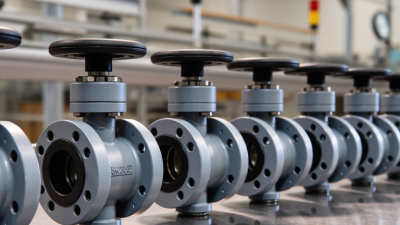
How to Choose a 4 Inch Butterfly Valve?

Choosing a 4-inch butterfly valve starts with the job it must perform, not just the pipe size. A 4 butterfly valve may look compact, but its materials, seat, and operating method affect how reliably it works. Check the actual pipe dimensions and connection type before comparing models. Nominal size alone does not confirm a proper fit.

Know the process conditions. Record the fluid, operating pressure, temperature range, and whether the line carries solids or corrosive media. Then match the body, disc, stem, and seat materials to those conditions. A resilient seat may suit many general services, while other applications may need a different sealing design. Details matter. Review the manufacturer’s pressure and temperature ratings rather than relying on a product title or a familiar appearance.

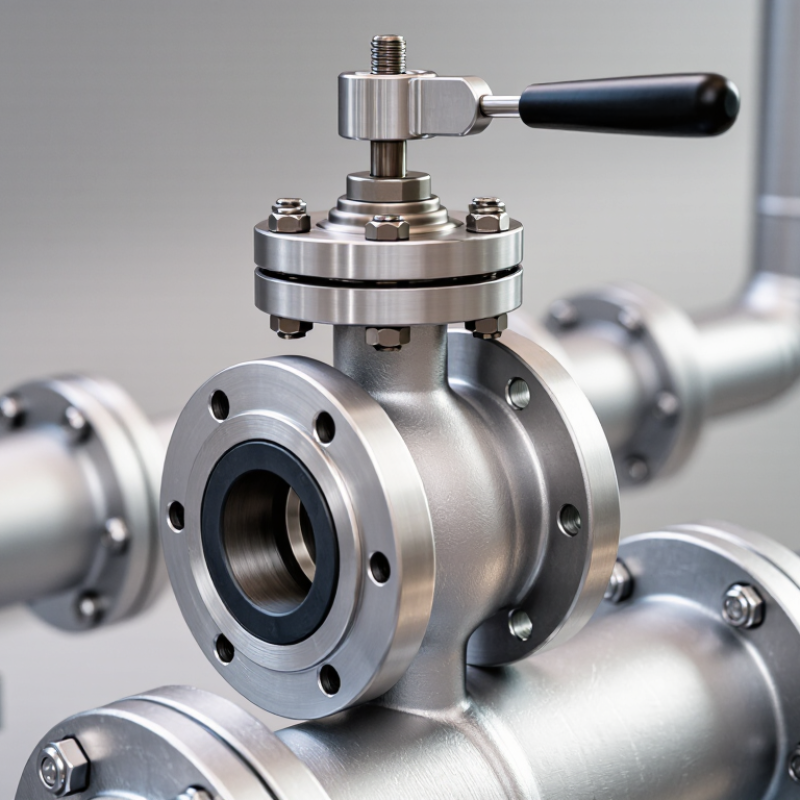
Consider how the valve will be operated. A lever may be practical for occasional manual adjustment, while a gearbox or actuator can help when access or frequent operation is an issue. Check face-to-face dimensions, mounting requirements, and available space around the handle or actuator. Fit matters. Also confirm the valve’s intended flow direction and any relevant industry specifications with the supplier or technical documentation. Catalog descriptions can make selection seem simple. It isn’t always. Even a small mismatch in seat material or connection style can create installation delays, so compare the valve data sheet with the actual piping and service conditions before ordering.
How to Choose a 4 Inch Butterfly Valve?

Understanding the Size and Function of a 4-Inch Butterfly Valve

A 4-inch butterfly valve is a nominal-size valve, not necessarily a valve with a four-inch clear opening. For steel pipe, ASME B36.10M lists NPS 4 pipe with a 4.500-inch outside diameter. Its inside diameter varies with wall thickness, so matching the valve label alone can lead to a poor fit.

Not quite a simple measurement.

The valve’s disc turns about 90 degrees to regulate or stop flow, while the body fits between compatible pipe connections.

Before choosing one, check the fluid, operating pressure, temperature, connection style, and required flow. A disc can remain partly in the flow path when open, affecting pressure loss.

The U.S. Department of Energy’s 2006 report, Improving Pumping System Performance: A Sourcebook for Industry, estimates that pumping systems use nearly 20% of global electricity and 25–50% of energy in some industrial operations. That figure does not predict savings from one valve. It does underline why pressure loss and pump operating conditions deserve attention.

I would verify the pipe’s actual dimensions and the valve’s rated pressure before ordering; a quick diameter match can be misleading.

Assessing Pressure, Temperature, and Flow Requirements

When choosing a 4-inch butterfly valve, assess the actual pressure, temperature, and flow conditions—not just the pipe diameter. Check both normal and maximum pressure, including pressure surges, against the valve’s rated limits. Ratings can change with temperature and with the selected body and seat materials. A suitable pressure rating alone does not guarantee compatibility with the process fluid.

Flow needs careful attention. Confirm the required flow rate and allowable pressure drop, then check the valve’s flow coefficient and expected operating position. A valve that is too large may provide poor control at low flow. One that is too small can restrict flow or create unwanted pressure loss. A tidy calculation may still miss real operating variation, so revisit assumptions against measured or well-supported process data.

Tips: Share the minimum, normal, and maximum pressure and temperature with the valve supplier. Include fluid details and whether the valve will isolate or regulate flow. Check the manufacturer’s sizing data, and verify material compatibility. Small details matter.

How to Choose a 4 Inch Butterfly Valve? - Assessing Pressure, Temperature, and Flow Requirements
Selection factor Useful data or screening range How to apply it
Nominal size 4 in nominal size is commonly DN100. The actual inside diameter depends on the pipe schedule and valve design. Confirm the pipe standard, flange drilling, face-to-face dimensions, and valve bore before ordering. Do not assume every 4 in valve has a 4 in clear opening.
Pressure rating Record the maximum operating pressure, design pressure, and any surge or water-hammer pressure. Pressure classes such as ASME Class 150 and PN 10 or PN 16 are defined by different standards and are not directly interchangeable. Choose a valve whose pressure rating meets the system design conditions at the operating temperature. Check the applicable standard and the manufacturer’s pressure-temperature table for the specific body, disc, and seat materials.
Differential pressure Determine the pressure drop across the valve during normal operation and the maximum differential pressure it must withstand when closing or shut. Check both the allowable operating differential pressure and the shutoff rating. These limits can differ from the valve’s body pressure rating.
Temperature and seat material As an initial screening guide, EPDM seats are commonly used for water service up to about 120°C; NBR seats are commonly used for oils and fuels at more moderate temperatures; PTFE-based seats can suit some chemically demanding or higher-temperature services. These are indicative material ranges, not guaranteed valve limits. Compatibility depends on the fluid, concentration, pressure, exposure time, and valve construction. Verify the exact temperature and pressure limits in the product data.
Fluid compatibility Identify the fluid, concentration, solids content, cleanliness, and any cleaning chemicals. Body and disc materials may include ductile iron, carbon steel, stainless steel, or other alloys, depending on the design. Confirm compatibility for every wetted component, including the seat, disc, stem, and seals. Abrasive solids or corrosive fluids may require a different valve construction or material selection.
Indicative flow in a 4 in pipe For a 102.3 mm internal diameter, approximate water-like flow rates are 44 m³/h (194 US gpm) at 1.5 m/s, 74 m³/h (326 US gpm) at 2.5 m/s, and 104 m³/h (458 US gpm) at 3.5 m/s. These figures estimate pipe flow from velocity; they are not the valve’s rated capacity. Actual flow depends on the pipe bore, fluid properties, valve design, opening angle, and pressure drop.
Flow capacity and control For turbulent flow of a non-flashing liquid, a common preliminary relationship is Q = Cv × √(ΔP / SG), where Q is US gpm, ΔP is pressure drop in psi, and SG is specific gravity relative to water. Use the valve’s published Cv or Kv data at the intended opening angle and calculate against the actual flow and pressure-drop conditions. Butterfly-valve capacity changes with disc position; avoid selecting by pipe size alone.
Operation and shutoff Consider manual lever or gear operation for infrequent use, and an actuator for remote, automated, or frequent operation. Specify the required leakage or shutoff class for the application. Check actuator torque requirements at the maximum differential pressure, available power or air supply, fail position, and whether the valve is intended for isolation or throttling.
Installation and maintenance Check whether the design is wafer, lug, or flanged, along with the required end connection, installation clearance, and access to the actuator. Confirm the valve is suitable for the piping system and installation location. Follow the valve maker’s instructions for disc clearance, gasket use, orientation, and inspection.
Final verification Selection requires the fluid, normal and maximum flow, operating and design pressure, temperature range, pressure drop, and connection standard. Treat the flow figures and material ranges above as preliminary screening guidance. Verify the final selection against the applicable design code and the specific valve’s certified technical data.

Matching Valve Materials to the Fluid and Service Conditions

How to Choose a 4 Inch Butterfly Valve?

Matching Valve Materials to the Fluid and Service Conditions

A 4-inch valve’s material should match the fluid, not just the pipe size. Start with fluid chemistry, temperature, pressure, solids, and cleaning chemicals. For water service, ductile iron bodies are common, but the disc and seat still need careful selection. EPDM often suits water; oils may require a different elastomer, such as NBR. Check the supplier’s compatibility data for the exact fluid and temperature.

For corrosive fluids, stainless steel may help, but “stainless” is not a complete specification. Chlorides, concentration, and temperature can affect corrosion resistance. NACE International’s 2016 IMPACT study estimated corrosion costs at US$2.5 trillion globally, or 3.4% of global GDP. That figure covers many industries, not butterfly valves alone, but it shows why material choices deserve attention. Small details matter.

Also consider how the valve will operate. Frequent cycling, abrasive particles, or long periods in a partly open position can wear seats and discs. A resilient seat may seal well, yet still be a poor fit for high heat or chemical exposure. I would verify the pressure-temperature limits and material compatibility against actual operating data—not just a product table. Real service is rarely perfectly steady. A sample of the fluid can help resolve uncertainty.

Choosing the Valve Type, Seat, and Actuation Method

A 4-inch butterfly valve should match the service, not just the pipe diameter. For clean water or general low-pressure service, a concentric valve with a resilient seat is often a practical choice. Abrasive particles, higher temperatures, or frequent cycling may call for a different design. Check the pressure rating, temperature range, media compatibility, and connection style against the actual piping specification. Small details matter.

Seat material affects both sealing and service life. EPDM suits many water applications, while NBR may be considered for certain oils. PTFE can handle a broader range of chemicals, but the exact media and temperature still need verification. For higher pressure or tighter shutoff requirements, compare offset designs and confirm their ratings. A familiar material is not automatically the right one.

Tips: Choose actuation by frequency and access. A lever is simple for occasional manual operation; a gear operator reduces effort when the valve is harder to turn. Pneumatic or electric actuators can suit repeated or remote control, but size them using required torque, differential pressure, and fail position—not diameter alone. Check the actual line. Leave room for the actuator and maintenance access. Real installations can be less tidy than drawings suggest.

Checking Connections, Standards, and Installation Needs

A 4-inch butterfly valve is suitable only when its connection matches the piping. Confirm whether the line uses wafer, lug, flanged, or grooved ends. Compare face-to-face dimensions, bolt patterns, and the pipe’s actual inside diameter. Nominal size alone can hide a mismatch. Measure twice.

Check the project specification for required design standards and their scope. Depending on the application, it may reference API 609 or AWWA C504; verify the edition and service requirements rather than relying on a standard name alone. Confirm the valve’s pressure and temperature ratings, body material, and seat compatibility with the process fluid. These details are easy to skim past.

Installation needs matter just as much. Allow room for the disc to open without contacting the pipe lining, and check that the actuator can be reached after nearby equipment is installed. Keep the pipe ends aligned, support the piping, and follow the manufacturer’s specified bolt-tightening sequence. I would recheck clearances on site, even when the drawing looks clear. A tight space can change everything.

Subscribe To Our Newsletter

Join our mailing list to receive the latest news and updates from our team.

You have Successfully Subscribed!