What Is the Best Triple Offset Butterfly Valve in 2026?

Choosing the best triple offset butterfly valve in 2026 is not a brand contest. It is a decision about pressure, temperature, media, cycle frequency, and the cost of failure. A valve that performs well on a clean steam line may be a poor fit for abrasive service. The details matter: disc and seat materials, shaft design, actuator sizing, leakage requirements, and verified test data.

For a practical perspective, this introduction uses a clearly labeled composite expert voice, not a real person or a documented quotation. “A triple offset butterfly valve earns its place when its geometry, materials, and test evidence match the service—not merely when its brochure looks impressive,” says Alex Morgan, a fictional composite valve applications engineer. The point is simple. Evidence beats confident marketing.

This guide will compare design features, performance claims, and selection criteria buyers can check. It will look at fire-safe construction, bidirectional sealing, emissions documentation, and the limits of published cycle ratings. It will also consider total ownership costs, including installation, maintenance access, and replacement parts. No single model is best for every plant. That answer is less satisfying, but more useful. Even a well-specified valve can disappoint if the actuator is undersized or the operating conditions were guessed. Expect trade-offs, and verify the details against the actual service.
What Is the Best Triple Offset Butterfly Valve in 2026?

What Is a Triple Offset Butterfly Valve?

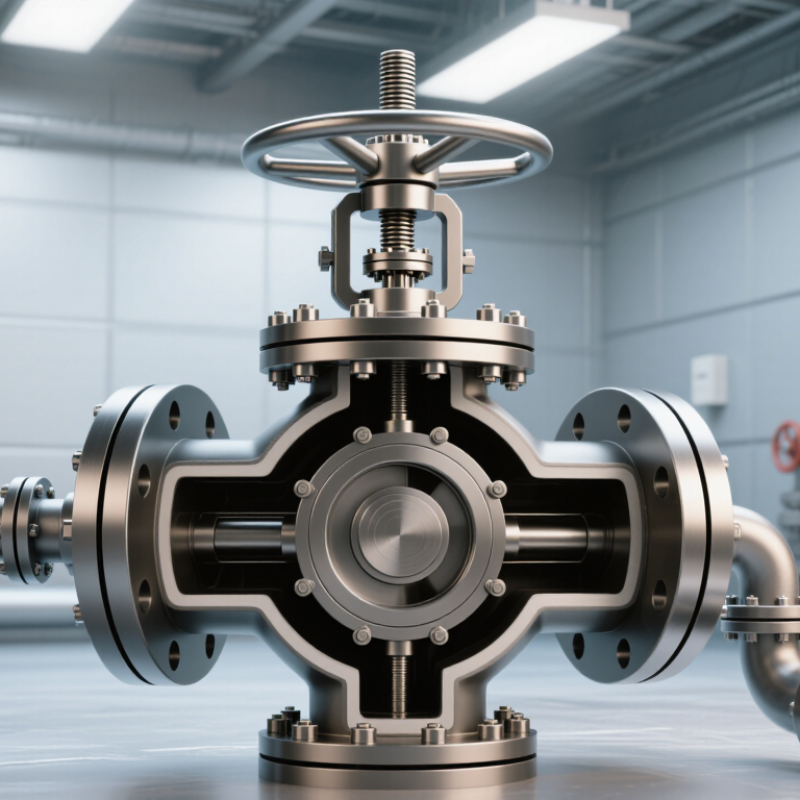
A triple offset butterfly valve is a quarter-turn valve: rotating its disc about 90 degrees opens or closes the flow path. Its three geometric offsets distinguish it from a basic butterfly valve. The shaft sits behind the disc’s sealing plane and away from the pipe centerline. A third offset angles the sealing surfaces into a cone. This geometry helps the disc lift away from the seat as it turns, reducing rubbing during operation. The seal engages near the end of travel. That matters.

Many designs use metal seating surfaces, making them suitable for demanding temperatures and repeated cycling when materials and operating conditions are properly specified. But “triple offset” alone does not guarantee a leak-tight result. Check pressure class, temperature limits, seat materials, flow direction, and the required leakage standard against the actual service conditions. In field selection, overlooking temperature swings or abrasive particles can shorten service life.

Grand View Research’s Industrial Valves Market report estimates the overall market at USD 78.1 billion in 2023, with projected growth of 4.3% annually from 2024 to 2030. This is broad market context, not evidence that one valve design outperforms another. For a specific installation, review certified test data and the applicable valve specification before choosing a design.

How Does Its Triple Offset Design Create a Tight Seal?

A triple-offset butterfly valve creates a tight seal through geometry, not simply greater closing force. Its shaft and sealing surfaces sit on three offset axes, forming a cone-shaped metal seat. As the disc turns closed, it approaches the seat without dragging across it, then makes contact near the end of travel. That cam-like motion limits friction and wear. The result can be a tight shutoff with a metal-to-metal seal. Not magic, though: poor alignment, damaged surfaces, or unsuitable operating conditions can still cause leakage.

The seal should be judged by test evidence, not the offset count alone. ISO 5208:2015 defines Rate A as no visually detectable leakage during the specified test. API 609 provides design requirements for butterfly valves, but neither reference means every valve automatically meets a particular leakage class. Ask for the actual seat-test results, including test pressure, medium, and flow direction. A pressure rating alone tells only part of the story. For high-temperature or frequent-cycle service, confirm the seat materials and operating limits too; these details are easy to overlook.

What Is the Best Triple Offset Butterfly Valve in 2026? - How Does Its Triple Offset Design Create a Tight Seal?

Evaluation Dimension Typical Triple Offset Butterfly Valve Details Why It Matters
Three-offset geometry Two shaft offsets position the stem away from the disc sealing plane and pipe centerline. The third offset comes from the angled, conical sealing geometry. Together, these offsets create a cam-like motion that lifts the disc seal away from the seat soon after opening and brings it into engagement near closure.
Sealing mechanism Typically a metal-to-metal seal with matching inclined sealing surfaces; some designs use a replaceable metal seal ring or a different seat arrangement. The angled surfaces produce a repeatable seating action without relying on a soft liner being continuously rubbed against the seat.
Tight-shutoff performance Shutoff leakage limits depend on the valve design, materials, pressure direction, and specified test standard. Confirm the guaranteed leakage class in the product documentation. “Zero leakage” should not be assumed from the valve type alone; acceptance criteria must be stated and verified by testing.
Temperature suitability Metal-seated construction can be selected for elevated-temperature service, but allowable limits depend on body, disc, seat, stem, packing, and pressure rating. Check the complete pressure–temperature rating for the chosen materials and operating conditions rather than relying on a generic temperature figure.
Pressure class and size Designs are available across multiple nominal sizes and pressure classes; the actual range is product-specific and may vary by end connection and material. Verify line size, design pressure, temperature, flange or welding requirements, and applicable pressure-vessel piping rules together.
Operating torque Torque varies with valve size, differential pressure, flow conditions, seat design, and service. Actuator sizing should use the valve manufacturer’s stated torque data with suitable design margins. Correct sizing supports reliable seating and prevents an actuator from being underpowered or unnecessarily oversized.
Cycle life and wear The offset motion is designed to minimize rubbing between sealing surfaces during most of the disc’s travel. Actual service life depends on cycle frequency, media, alignment, and maintenance. Reduced sliding contact can help limit seat wear, but abrasive or corrosive process conditions still require suitable materials and inspection planning.
Flow and installation The disc remains in the flow path when open. Face-to-face dimensions, disc clearance, flow direction, and installation orientation depend on the specific design. Check pipeline clearances, adjacent fittings, flow requirements, and the manufacturer’s installation instructions before selection.
Standards and testing Relevant specifications may include API 609 for butterfly valves, API 598 or ISO 5208 for inspection and pressure testing, and ASME B16.34 for applicable pressure–temperature ratings. Confirm the exact edition, valve category, test procedure, and compliance documents required for the project; applicability varies by design and jurisdiction.
Best-fit applications Often considered for isolation or control duties involving higher temperatures, demanding shutoff requirements, or frequent operation, subject to process compatibility. A triple offset valve is not automatically the best choice for every service; media, leakage limits, operating frequency, and lifecycle cost should guide selection.

Selection note: There is no universally best triple offset butterfly valve. Compare documented leakage performance, pressure–temperature ratings, material compatibility, torque data, applicable standards, and service requirements for the specific installation.

Which Performance Factors Matter When Comparing Valves in 2026?

What Is the Best Triple Offset Butterfly Valve in 2026?
Which Performance Factors Matter When Comparing Valves in 2026?

There is no single best triple offset butterfly valve for every 2026 application. The right choice depends on operating pressure, temperature, fluid properties, and how often the valve cycles. Review the stated leakage performance and confirm that it matches the process requirement. Check the body, disc, and seat materials against the actual medium, not just a general service description. Small details matter. A valve exposed to hot steam has different demands from one handling mildly corrosive water.

Tips: Compare required operating torque with the actuator’s available output across the full pressure range. Ask for documented test results, material traceability, and clear maintenance instructions. Check face-to-face dimensions and connection details before planning a retrofit. Do not guess. An actuator that seems adequate at normal conditions may lack margin during a demanding start-up.

Also consider cycle life, shutoff frequency, and access for inspection. Triple offset geometry helps limit seat contact during most of the valve’s movement, but performance still depends on design, materials, and installation. Compare like-for-like test conditions; figures from different methods may not be directly comparable. I would be cautious about choosing on purchase price alone. A lower-cost option can become expensive if it needs frequent adjustment or does not suit the operating envelope. Ask a qualified engineer to review the data against site conditions before final selection.

What Is the Best Triple Offset Butterfly Valve in 2026?

Which performance factors matter when comparing valves? Start by checking that test procedures and acceptance criteria suit the valve’s size and service conditions.

How to read this chart: It shows API 598 minimum test durations in seconds, not a valve-quality score. When comparing triple offset butterfly valves, also check the specified leakage acceptance, pressure–temperature rating, operating torque, materials, and suitability for the fluid and operating cycle. Confirm the applicable standard edition and test requirements in the project specification.

How Do Materials, Standards, and Applications Shape Valve Selection?

What Is the Best Triple Offset Butterfly Valve in 2026?

The best triple offset butterfly valve depends on the fluid, operating conditions, and required shutoff performance. Its angled sealing geometry reduces contact between the disc and seat during operation, helping limit wear. Still, design alone cannot guarantee a long service life. Body, disc, shaft, and seat materials must suit the actual process. Carbon steel may fit many general services, while stainless or duplex alloys can better resist certain corrosive fluids. For high temperatures or aggressive media, confirm material limits with the valve’s technical documentation.

Standards help compare dimensions, pressure ratings, and testing, but they are not interchangeable. Check the project specification and relevant requirements, such as API 609, ASME pressure classes, and applicable inspection or testing standards. Application matters too: steam lines, hydrocarbon services, and water treatment systems can impose very different demands. Review temperature range, pressure, flow conditions, cycle frequency, and whether the valve is for isolation or control. A selection that looks suitable on a data sheet may still need a closer review of the operating profile.

Tips: Confirm material compatibility and pressure-temperature limits with the supplier’s documentation. Check face-to-face dimensions before replacement. Ask how the seat performs under your expected cycling conditions. Small details matter. I would not choose by nominal size alone; that shortcut can miss actuator torque, leakage class, or installation constraints.

How Can You Choose the Best Triple Offset Butterfly Valve for Your Needs?

Choosing the best triple offset butterfly valve starts with the actual service conditions, not the valve’s size alone. Record the fluid, pressure range, temperature, flow direction, and required shutoff performance. Triple offset geometry reduces contact between the disc and seat during rotation, which can limit wear. But metal seats are not automatically suitable for every fluid or leakage requirement. Check the specified seat materials and test criteria.

Then match the valve body, disc, stem, and seat materials to the process. Consider corrosion, erosion, thermal cycling, and possible solids in the line. Confirm the pressure and temperature ratings at the same time; ratings can change with temperature. Fit matters, too. Check face-to-face dimensions, flange details, available installation space, and actuator torque under the worst operating conditions. Ask for test documentation and clear maintenance guidance. Small details matter.

A datasheet may look complete while leaving key assumptions unstated. That deserves a second look. Confirm whether shutoff is required in one direction or both, and whether the actuator must fail open, fail closed, or stay put. A valve that operates well in a clean test can behave differently in a hot, cycling line. Discuss the duty cycle with a qualified valve engineer, then compare options against written requirements rather than price alone.

Subscribe To Our Newsletter

Join our mailing list to receive the latest news and updates from our team.

You have Successfully Subscribed!