How to Choose Butterfly Valves in 2026?

Choosing butterfly valves in 2026 requires more than comparing prices or catalog photographs. The correct choice depends on fluid type, pressure, temperature, flow control, and installation space. A valve handling clean water may fail quickly in abrasive slurry. A lightweight model may look attractive, yet its seat can weaken under repeated heat cycles.

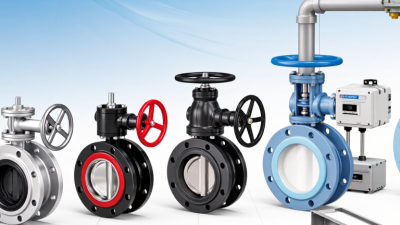
This guide explains how engineers evaluate butterfly valves for industrial, commercial, and municipal systems. It considers wafer, lug, and double-flanged designs, along with resilient-seated and high-performance options. Material selection matters. Stainless steel, ductile iron, PTFE, EPDM, and metal seats each suit different operating conditions. Actuation also deserves attention, especially where remote control, emergency shutdown, or frequent cycling is required.

Real-world experience often exposes details that datasheets hide. Check flange alignment, shaft access, disc clearance, and replacement-part availability before ordering. Confirm pressure ratings under actual temperatures, not room-temperature conditions. Review recognized standards and request test records from qualified manufacturers. This supports safer, more reliable decisions.

No selection guide is perfect. Site conditions change. Supplier information may be incomplete. Even experienced teams can overlook corrosion, vibration, or maintenance access. For that reason, verify critical specifications with the manufacturer and an independent engineer when necessary. In 2026, the best valve is not always the newest or cheapest model. It is the one that performs consistently, fits the system, and remains serviceable for years.
How to Choose Butterfly Valves in 2026?

Butterfly Valve Basics and Operating Principles

How to Choose Butterfly Valves in 2026?

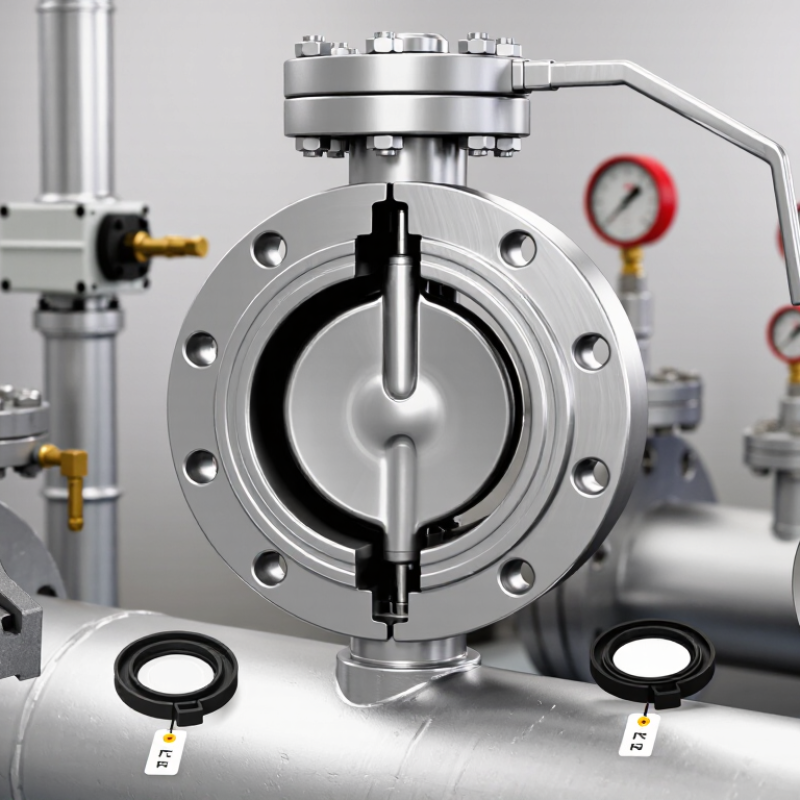
Butterfly valves control flow with a quarter-turn disc. When open, the disc aligns with the pipeline. When closed, it rotates across the passage. This simple motion reduces space, weight, and operating time.

The International Energy Agency’s Energy Efficiency 2023 report estimates that industry uses about 37% of global final energy. Therefore, disc position and pressure loss deserve careful attention. A poorly sized valve can create unnecessary pumping demand, especially in long water lines.

Choose the body, disc, seat, and shaft for the actual medium. Resilient seats suit many water services, while metal seats handle higher temperatures and harsher cycles. Check pressure, temperature, fluid chemistry, leakage class, and pipe alignment.

API Standard 609 covers butterfly valve design requirements, while ISO 5211 helps match actuators and mounting interfaces. In field work, I have seen a correct valve fail early because an actuator was undersized. That detail is easy to miss.

Tips: Measure the real operating torque, not only the catalog rating. Leave a safety margin for deposits and aging. Use manual handles for simple isolation, but consider electric or pneumatic actuation for frequent cycling. Review the valve after installation. A small misalignment can damage the seat. Selection is not perfectly predictable; actual fluid conditions often challenge the first design.

Sources: IEA Energy Efficiency 2023, API 609, and ISO 5211.

Define the System Requirements and Valve Application

How to Choose Butterfly Valves in 2026?

Define the system before comparing valve materials or actuators. Record the medium, temperature, pressure, flow rate, pipe diameter, and required shutoff class. A DN300 cooling-water line at 6 bar needs different torque calculations than a smaller chemical line. Check the numbers twice. A neat spreadsheet can still hide water hammer, cavitation, or abrasive solids.

UNESCO’s 2024 World Water Development Report states that agriculture accounts for roughly 70% of global freshwater withdrawals. That figure makes leakage control and dependable isolation especially important in irrigation systems. For water service, resilient-lined valves may suit clean, moderate-temperature flow. For slurry, wastewater, or fibrous media, inspect the disc edge, seat design, and solids-handling capability. Do not select by diameter alone.

Actuation also depends on the application. Manual operation may work for an occasional maintenance shutdown, but automated control requires closing time, fail position, available air pressure, and emergency response. ISO 5752 and API 609 provide useful dimensional and performance references, while the project specification should define testing requirements. I have seen valves chosen correctly on paper but installed with poor access, making future maintenance difficult. Leave room for bolt removal, actuator clearance, and visual position checks. Small oversights become expensive.

How to Choose Butterfly Valves in 2026? - Define the System Requirements and Valve Application

Valve Application Typical Fluid or Service Recommended Valve Type Typical Pressure Range Typical Temperature Range Preferred Body, Disc and Seat Materials Important Selection Requirements Common Connection and Control Options
Potable Water Distribution Drinking water, treated water and raw water Resilient-seated concentric butterfly valve Up to approximately 16 bar 0 to 80°C, depending on liner approval
  • Ductile iron or carbon steel body
  • Ductile iron or stainless-steel disc
  • EPDM seat suitable for drinking-water service
Verify drinking-water compliance, leakage class, shaft sealing, coating system, minimum operating torque and resistance to chlorinated water. Wafer, lug or double-flanged connection; lever, gearbox or electric actuator
Wastewater and Sewage Municipal wastewater, sludge-containing water and effluent Resilient-seated or eccentric butterfly valve Typically 6 to 16 bar Approximately 0 to 60°C
  • Coated ductile iron or carbon steel body
  • Stainless-steel or coated ductile-iron disc
  • EPDM or abrasion-resistant elastomer seat
Consider solids content, abrasion, corrosion, biological deposits, shaft protection and the possibility of buried or submerged installation. Wafer, lug or flanged connection; manual gearbox, electric or pneumatic actuation
HVAC Chilled-Water Systems Closed-loop chilled water, condenser water and glycol mixtures High-performance butterfly valve or resilient-seated valve Typically 10 to 25 bar Approximately -10 to 120°C
  • Ductile iron, carbon steel or stainless-steel body
  • Stainless-steel disc
  • EPDM seat for water and glycol service
Check glycol concentration, insulation clearance, condensation control, pressure drop, shutoff rating and actuator fail position. Wafer or lug connection; modulating electric actuator or on/off actuator
Cooling-Tower and Condenser-Water Service Open-loop cooling water with possible scaling and biological contamination Resilient-seated or high-performance butterfly valve Typically 10 to 25 bar Approximately 5 to 95°C
  • Coated ductile iron or carbon steel body
  • Stainless-steel or nickel-aluminum-bronze disc
  • EPDM or chemically compatible elastomer seat
Evaluate water-treatment chemicals, corrosion potential, scaling, cavitation risk, flow velocity and frequent cycling requirements. Wafer, lug or flanged connection; pneumatic, electric or hydraulic actuation
Compressed Air and Inert Gas Instrument air, plant air, nitrogen and other dry gases High-performance butterfly valve Typically 10 to 40 bar Approximately -20 to 150°C
  • Carbon steel or stainless-steel body
  • Stainless-steel disc and shaft
  • PTFE, reinforced PTFE or suitable elastomer seat
Confirm gas compatibility, leakage requirements, pressure-temperature derating, static-dissipative design where required and resistance to rapid decompression. Wafer, lug or flanged connection; pneumatic actuator with solenoid valve
Steam and High-Temperature Gas Low- to medium-pressure steam, hot air and exhaust gas Triple-offset or metal-seated high-performance butterfly valve Often up to 25 to 40 bar, subject to design rating Approximately 200 to 550°C, depending on construction
  • Carbon steel or stainless-steel body
  • Heat-resistant stainless-steel disc
  • Metal seat with graphite or high-temperature sealing elements
Use temperature-rated materials, account for thermal expansion, verify seat leakage, insulation requirements, cycling frequency and upstream condensate management. Flanged connection is common; electric, pneumatic or hydraulic actuator
Corrosive Chemical Liquids Acids, alkalis, salts, solvents and chemical process fluids PTFE-lined butterfly valve or high-performance corrosion-resistant valve Commonly 6 to 16 bar Approximately -20 to 180°C, depending on lining
  • Coated carbon steel, stainless steel or alloy body
  • Alloy, coated or lined disc
  • PTFE, reinforced PTFE, FKM or other chemically compatible seat
Check the exact chemical concentration, temperature, permeation, abrasion, shaft exposure and compatibility of every wetted component. Flanged or lug connection; pneumatic or electric actuator with position feedback
Food, Beverage and Hygienic Processing Water, liquid food products, cleaning solutions and process fluids Hygienic butterfly valve Typically 6 to 16 bar Approximately 0 to 150°C, including cleaning cycles
  • Stainless-steel body and disc
  • Food-contact approved EPDM, silicone or PTFE seat
  • Polished wetted surfaces
Specify cleanability, drainability, surface finish, hygienic design, cleaning-in-place temperature, sterilization method and food-contact compliance. Sanitary clamp, butt-weld or hygienic flange; manual or automated actuator
Fire-Protection Water Systems Firewater, sprinkler and standpipe systems Supervised resilient-seated butterfly valve Typically 10 to 16 bar Approximately 0 to 65°C
  • Ductile iron or carbon steel body
  • Corrosion-resistant disc and shaft
  • Approved elastomer seat
Use the applicable fire-protection approval, provide clear open/closed supervision, verify tamper-switch integration and maintain required flow capacity. Grooved, flanged or wafer connection; supervised gearbox or electric actuator
Vacuum and Low-Pressure Service Vacuum lines, air extraction and low-pressure process systems High-performance or vacuum-rated butterfly valve Vacuum rating must be specified separately Approximately -40 to 150°C, depending on seat
  • Aluminum, ductile iron, carbon steel or stainless-steel body
  • Stainless-steel disc
  • EPDM, FKM or PTFE seat selected for vacuum compatibility
Confirm absolute pressure range, allowable leakage rate, outgassing, shaft sealing, seat retention and whether the valve must operate under differential pressure. Wafer or flanged connection; manual, pneumatic or electric actuation
Slurry, Abrasive and Mineral Processing Water-based slurry, mineral concentrate and abrasive process mixtures Heavy-duty resilient-seated, eccentric or specialized slurry butterfly valve Commonly 6 to 25 bar Approximately 0 to 120°C
  • Heavy-duty coated carbon steel or ductile iron body
  • Hardened, coated or abrasion-resistant disc
  • Replaceable abrasion-resistant seat where available
Size for solids concentration, particle size, flow velocity, abrasion rate, torque increase and frequent maintenance access. Flanged or lug connection; high-torque pneumatic, hydraulic or electric actuator
Marine and Seawater Systems Seawater intake, ballast water, cooling water and desalination service High-performance or corrosion-resistant butterfly valve Typically 10 to 25 bar Approximately 0 to 95°C
  • Marine-grade coated body or corrosion-resistant alloy
  • Duplex stainless steel, nickel-aluminum bronze or coated disc
  • EPDM, FKM or seawater-compatible seat
Assess chloride corrosion, galvanic coupling, biofouling, cathodic protection, coating durability and suitability for submerged or splash-zone installation. Wafer, lug or flanged connection; manual, electric or hydraulic actuation
Typical engineering guidance only. Final valve selection must be confirmed against the exact fluid composition, pressure-temperature rating, pipe size, flow coefficient, leakage class, applicable standards, installation orientation and actuator torque requirements.

Compare Butterfly Valve Types, Materials, and Connections

How to Choose Butterfly Valves in 2026?

Choosing a butterfly valve in 2026 starts with service conditions, not catalog pictures. During field inspections, I check the fluid, temperature, pressure, cycle frequency, and available space. A resilient-seated valve suits many water lines and moderate duties. A high-performance, double-offset valve handles tighter shutoff and repeated cycling. Triple-offset designs fit demanding thermal services, but their higher cost needs careful justification. More complexity is not automatically better.

Material selection depends on both the fluid and the operating environment. Ductile iron bodies work well in many water systems. Stainless steel offers stronger corrosion resistance for chemical or coastal applications. EPDM seats commonly suit water, while PTFE can perform better with selected chemicals and higher temperatures. Compatibility tables require verification. Never rely only on general labels such as “corrosion-resistant.”

Connection style affects installation and maintenance. Wafer valves save space and usually fit between flanges. Lug valves allow more flexible pipe isolation and can support dead-end service when rated for it. Flanged valves add weight but simplify removal and inspection. Grooved connections can speed installation on suitable piping systems. Confirm pressure class, flange dimensions, face-to-face length, and local standards before ordering.

I once focused too much on nominal diameter and overlooked actuator torque. That caused delays. Valve torque can rise with deposits, low temperatures, or infrequent operation. Review the complete torque curve, not just the initial figure. Leave room for inspection, manual override, and future replacement. A documented operating test after installation can reveal alignment problems that specifications miss.

Evaluate Pressure, Temperature, Flow, and Control Needs

How to Choose Butterfly Valves in 2026?

Evaluate Pressure, Temperature, Flow, and Control Needs

Pressure is the first practical filter when selecting a butterfly valve. Record normal, maximum, and possible surge pressure. A valve rated for routine service may still fail during water hammer. Match the body, disc, seat, and shaft ratings with the piping specification. Do not rely on line size alone.

Temperature changes the decision. Hot steam, chilled water, and corrosive fluids stress materials differently. Check the continuous temperature range, short-term peaks, and thermal cycling. From field inspections, seat wear often appears after repeated starts and stops, not during steady operation. Material compatibility matters.

Flow behavior deserves careful measurement. Estimate minimum, normal, and maximum flow rates before choosing the disc style or operating angle. A valve that is oversized may hunt near the closed position and control poorly. Too small, though, can create excessive pressure loss. Control service needs accurate positioning, while isolation service may only need dependable shutoff.

Think about actuation as well. Electric and pneumatic operators require different response times, utilities, and maintenance routines. Confirm the fail position for power or air loss. I have seen otherwise sound installations fail because the control signal and valve travel were never tested together. That oversight is easy to repeat. Leave room for correction. Review verified test data, installation limits, and local safety requirements with a qualified engineer before purchase.

Verify Installation, Maintenance, and Total Ownership Costs

Choosing butterfly valves in 2026 requires more than comparing purchase prices. Start by matching materials, pressure ratings, temperature limits, and media compatibility. A valve suited to clean water may fail quickly in abrasive slurry. Review process drawings with an experienced installer before ordering. Small alignment errors can damage seats and increase operating torque. Check flange faces, bolt patterns, shaft clearance, and actuator access. Measure twice.

During commissioning, cycle each valve slowly and inspect for leakage around the disc and stem. Record torque, test results, and installation conditions in a service log. Maintenance intervals should reflect cycle frequency, fluid cleanliness, and temperature changes. Do not rely only on calendar dates. Inspect seals, fasteners, position indicators, and actuator connections during planned shutdowns. In dusty or corrosive areas, cleaning may matter more than lubrication. Follow current technical instructions and verify changes after repairs.

Total ownership cost includes energy, spare parts, labor, downtime, disposal, and unexpected shutdowns. A low-cost valve can become expensive if its actuator uses excess power or needs frequent adjustment. Compare expected service life using documented test data, not optimistic estimates. Ask for material certificates, pressure-test records, and replacement-part availability. Keep critical spares where delayed delivery could stop production. Labor is often the forgotten cost. Some assumptions will be wrong, so review them after the first operating cycle.

How to Choose Butterfly Valves in 2026?

Verify installation, maintenance, and total ownership costs before selecting the valve.

The chart presents a transparent 10-year planning model for a DN100 butterfly valve in a general industrial water-service application. Costs include the purchase price, installation verification, scheduled maintenance, and expected downtime allowance. Actual costs vary with valve size, pressure rating, fluid, labor rates, access conditions, and operating cycles. Obtain local quotations and confirm the manufacturer’s installation and maintenance requirements before purchase.

Subscribe To Our Newsletter

Join our mailing list to receive the latest news and updates from our team.

You have Successfully Subscribed!